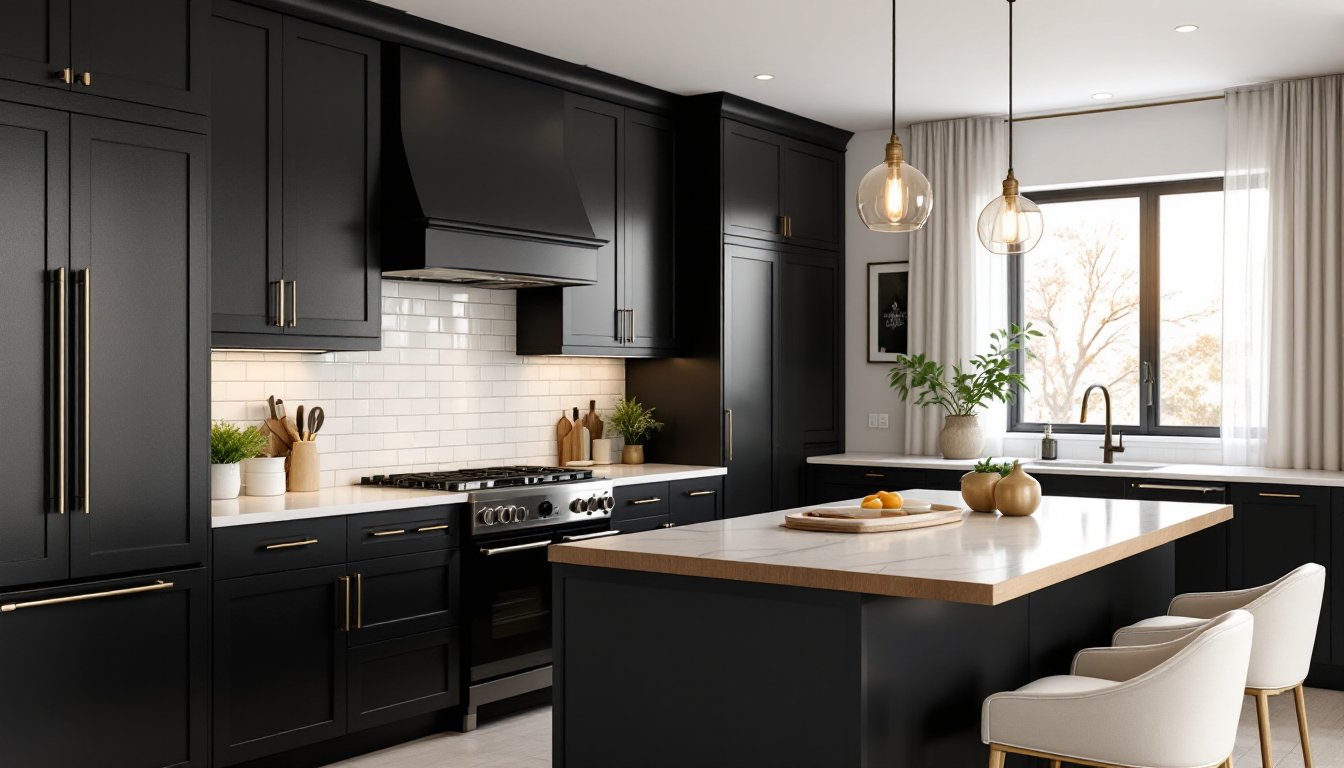
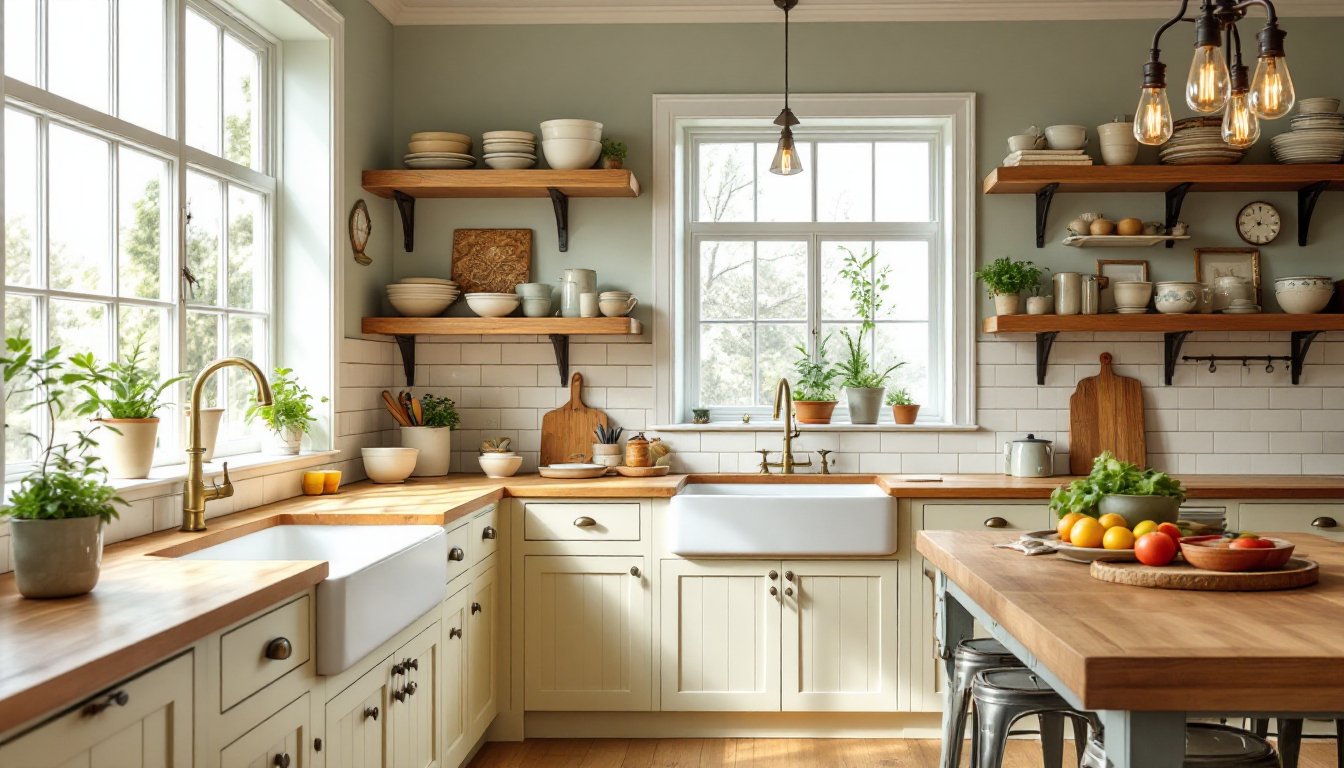
Kitchen design trends in 2024 reflect a shift toward balance, mixing minimalism with warmth, functionality with aesthetics, and sustainability with style. Whether you’re planning a full renovation or a targeted refresh, understanding what’s shaping modern kitchens helps you make decisions that won’t feel dated in a few years. The best kitchen design ideas blend practicality with visual appeal, giving homeowners spaces that work as hard as they look good. This guide walks through ten design directions worth considering, from cabinet styles to appliance choices, so you can identify what resonates with your home and lifestyle.
Table of Contents
ToggleKey Takeaways
- Kitchen design ideas in 2024 balance minimalism with warmth by combining clean-lined handle-less cabinets, open shelving, and natural textures like wood and stone.
- Smart storage solutions—including vertical dividers, pull-out pantries, and appliance garages—maximize space efficiency without sacrificing the minimalist aesthetic.
- Warm metals such as brushed brass and copper replace cool stainless steel, while colorful backsplashes and statement walls safely introduce pattern and personality to neutral kitchens.
- Sustainable materials like reclaimed wood, recycled glass countertops, and bamboo cabinetry reflect a cultural shift toward eco-conscious kitchen design choices.
- Modern kitchen islands now serve multiple functions—prep surface, dining area, and storage hub—with proper proportioning (roughly 3×5 feet) and integrated lighting to maximize utility and visual impact.
- Integrated appliances with panel-ready construction, warm metallic finishes, and smart technology blend seamlessly into cabinetry while improving both convenience and energy efficiency.
Minimalist Cabinets And Open Shelving
Minimalist kitchen cabinets continue to dominate 2024, driven by the need for clean sightlines and reduced visual clutter. Handle-less cabinetry, where drawers and doors open via subtle recesses or push-to-open mechanisms, creates seamless lines and makes the kitchen feel larger. This style works especially well in smaller spaces where every inch counts.
Open shelving pairs naturally with minimalist cabinet design, displaying frequently used items like plates, glasses, and cookbooks while keeping less attractive items hidden behind closed doors. The key to open shelving success is curating what you display: haphazard collections read as messy rather than intentional. Consider styling shelves with matching dinnerware, grouped by color, or leaving breathing room between objects.
Smart Storage Solutions For Every Kitchen Size
Minimalism isn’t about having less storage, it’s about hiding it efficiently. Vertical dividers inside cabinets keep baking sheets and cutting boards upright and visible. Pull-out spice racks, deep drawers with tiered inserts, and appliance garages (closed cabinets that house coffee makers or toasters) keep counters clear while keeping items accessible.
Small kitchens benefit most from floor-to-ceiling cabinetry that maximizes every cubic inch. Tall, narrow pull-out pantries fit beside refrigerators, and corner carousels or pull-out corner solutions reclaim awkward dead zones. The layout of home renovation ideas often hinges on smart storage, which removes the need for extra furniture and maintains that clean aesthetic minimalism demands.
Warm Metals And Natural Textures
2024 marks a deliberate move away from cool stainless steel toward warmer metallics like brushed brass, copper, and champagne-toned finishes. These metals catch light differently, adding warmth and personality without the coldness of chrome or polished stainless. Hardware, light fixtures, and even appliance trim leverage these tones to create cohesion.
Natural textures, wood, stone, linen, concrete, ground modern kitchens and prevent minimalism from feeling sterile. A wooden countertop island, concrete backsplash, or linen-textured cabinet doors introduce tactile interest. Mixing matte and glossy finishes across surfaces creates subtle depth: a matte black hood above a glossy white tile backsplash, for example, feels intentional rather than accidental.
Sustainable Materials Making A Comeback
Eco-conscious homeowners gravitate toward reclaimed wood, recycled glass countertops, and sustainably harvested lumber for cabinets and flooring. These materials often improve with age, a reclaimed wood island develops richer patina over time. Recycled glass counters (crushed glass set in resin or concrete) offer durability, visual interest, and a lower environmental footprint than virgin materials.
Bamboo cabinetry and Cork flooring are gaining traction as fast-growing, renewable alternatives. Interior Design Trends Shaping Homes in 2025 and Beyond increasingly emphasize these kinds of choices, reflecting a broader cultural shift toward mindful consumption.
Colorful Backsplashes And Statement Walls
While neutral palettes dominate kitchens overall, 2024 sees bold backsplashes emerging as the safe way to introduce color and pattern. A jewel-toned tile backsplash, deep emerald, sapphire, or terracotta, draws the eye without overwhelming the space, and it’s far easier to change than painted walls or cabinets.
Statement walls (a single wall painted in a rich color or wallpaper) frame the kitchen visually. A navy or forest-green accent wall behind open shelving adds drama while grounding the space. Geometric or botanical wallpapers, applied to just one wall, introduce pattern without fussiness. Importantly, statement walls work best when the rest of the kitchen stays relatively neutral, compete less, impact more.
Tile design deserves real consideration. Large-format tiles (12″×24″ or bigger) minimize grout lines and feel contemporary, while smaller formats like 3″×6″ subway tiles or 2″×2″ mosaics introduce texture and visual complexity. Hand-glazed tiles with slight color variation add artisanal warmth that machine-perfect tiles lack. Resources like Houzz’s 2024 Kitchen Design Trends showcase hundreds of backsplash options with installed photos, making it easy to visualize color and pattern before committing.
Functional Kitchen Islands That Maximize Space
Kitchen islands have evolved beyond extra counter space. In 2024, islands serve multiple functions: prep surface, dining area, storage hub, and focal point. A properly proportioned island, roughly 3 feet by 5 feet for average kitchens, leaves enough circulation space around it (at least 36 inches from the island to cabinets or appliances) while offering genuine utility.
Seating built into one side of an island transforms it into a casual dining counter, reducing the need for a separate table in open-concept homes. Overhang of 12–15 inches gives knee space for stools. Storage underneath, drawers, shelves, or cabinet doors, hides clutter while keeping frequently used items within arm’s reach. Some islands incorporate a dishwasher or a wine cooler, pushing utility further.
Material and finish matter here. A butcher-block or wood countertop on an island contrasts visually with different materials used elsewhere, creating a focal point. Metal or wood legs (rather than full base cabinets) lighten the visual weight, especially crucial in smaller kitchens. Lighting directly above the island, pendant fixtures spaced 24–30 inches apart, brightens the work surface and defines the zone.
Updated Appliances And Integrated Technology
2024 appliance trends favor integrated designs where refrigerators, dishwashers, and other appliances blend seamlessly with cabinetry via panel-ready construction. A refrigerator faced with the same wood or finish as surrounding cabinets disappears visually, reinforcing minimalism.
Warm metallics show up in appliance trim and handles. Matte black or brushed bronze finishes replace shiny stainless steel, cohering with the broader move toward warmth. Smart appliances, refrigerators that show grocery lists, ovens controllable via phone, dishwashers that adjust cycles based on soil sensors, integrate convenience without cluttering counters.
Size and layout deserve thought. Professional or semi-professional ranges (36 or 48 inches wide) dominate larger kitchens, while compact induction cooktops and wall-mounted ovens suit smaller spaces. Energy efficiency ratings (look for ENERGY STAR certification) reduce long-term costs. Ventilation also matters: a quality range hood or downdraft system removes heat and moisture, protecting cabinetry and walls from damage. The Kitchn’s kitchen design insights frequently review appliances and design integration, offering practical guidance on selecting pieces that balance aesthetics with performance. Features like soft-close drawers, quiet dishwashers, and convection ovens signal quality and usability, the things that make a kitchen genuinely enjoyable over years of daily use.