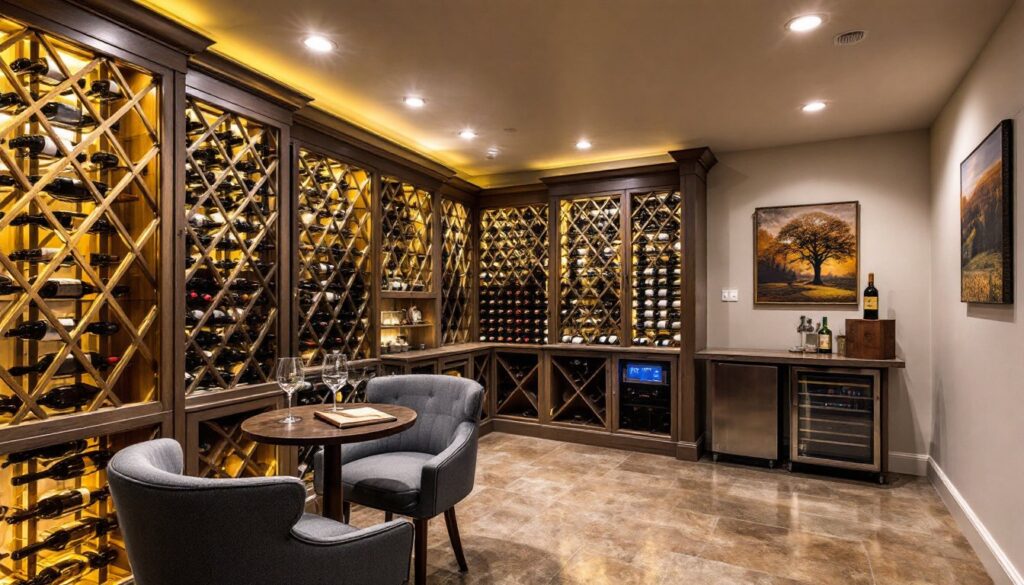
Building a basement wine cellar transforms unused square footage into a functional retreat that pays dividends in both utility and home value. Whether you’re storing a modest personal collection or planning for serious aging potential, a well-designed wine cellar demands more than just shelves and a cool corner. The key is understanding that basement wine cellar design ideas hinge on three non-negotiables: climate stability, proper storage, and a space that feels intentional rather than like a storage closet. The good news is that most homeowners can tackle significant portions of this project themselves, from framing walls to installing shelving, though climate control and moisture management typically require professional input. This guide walks through what actually matters when planning your underground tasting room. Key Takeaways Basement wine cellar design ideas prioritize three essentials: stable climate control, proper horizontal bottle storage, and moisture management to protect your collection. A dedicated wine cooling unit maintaining 45–65°F and 50–80% humidity is non-negotiable, as standard home systems fail to prevent cork degradation and wine oxidation. Choose moisture-resistant flooring like sealed concrete or basement-rated luxury vinyl and use cement board drywall with elastomeric paint to prevent mold and water damage. Horizontal wine racks in wood, metal,