Interior design trends for beginners can feel overwhelming at first. There are countless styles, colors, and materials to choose from. But here’s the good news: creating a stylish home doesn’t require a degree in design or a massive budget.
This guide breaks down the most popular interior design trends for 2026 in simple, practical terms. Beginners will learn which styles are gaining momentum, how to incorporate them into any space, and which mistakes to avoid along the way. Whether someone is decorating their first apartment or refreshing a family home, these insights will help transform any room into a space that feels both current and personal.
Table of Contents
ToggleKey Takeaways
- Interior design trends for beginners in 2026 emphasize warm, earthy colors like terracotta, olive green, and caramel to create inviting spaces.
- Natural materials such as wood, rattan, linen, and stone are dominating trends while supporting sustainable design choices.
- Start small by focusing on one room and use the 80/20 rule—keep 80% timeless and reserve 20% for trendy accents.
- Create a mood board before purchasing to identify your personal style within current interior design trends.
- Avoid common beginner mistakes like following too many trends at once, ignoring room scale, or rushing to fill empty spaces.
- Layered lighting (ambient, task, and accent) is essential to make any interior design trend look its best.
Why Understanding Design Trends Matters
Some people dismiss interior design trends as fleeting or superficial. That’s a mistake. Understanding current trends gives beginners a solid starting point for making design decisions.
First, trends reflect broader cultural shifts. The move toward natural materials, for example, connects to growing environmental awareness. Warm color palettes signal a collective desire for comfort after years of uncertainty. Knowing why certain styles are popular helps beginners make choices that feel meaningful, not just trendy.
Second, interior design trends provide a shared visual language. When someone says they want a “modern organic” living room, designers, retailers, and DIY enthusiasts all understand what that means. This common vocabulary makes shopping easier and communication with contractors or designers much smoother.
Finally, following interior design trends for beginners doesn’t mean copying everything you see on Pinterest. It means understanding what’s available, what works in different spaces, and then adapting those ideas to fit your own taste and lifestyle. Think of trends as a menu of options rather than a strict set of rules.
Top Interior Design Trends to Try in 2026
The biggest interior design trends for 2026 focus on warmth, nature, and sustainability. Here’s what beginners should know about each.
Warm and Earthy Color Palettes
Cool grays and stark whites dominated homes for years. That era is ending. In 2026, interior design trends favor warm, earthy tones like terracotta, olive green, caramel, and soft clay. These colors create rooms that feel inviting and grounded.
Beginners can start small with this interior design trend. Try warm-toned throw pillows, a terracotta vase, or an olive green accent wall. Paint is one of the easiest and cheapest ways to update a space. Benjamin Moore and Sherwin-Williams both released warm-leaning palettes for 2026 that work well together.
One tip: balance warm colors with neutral bases. A caramel sofa looks great against cream walls. An olive accent wall pairs nicely with natural wood furniture. The goal is warmth without overwhelming the space.
Natural Materials and Sustainable Choices
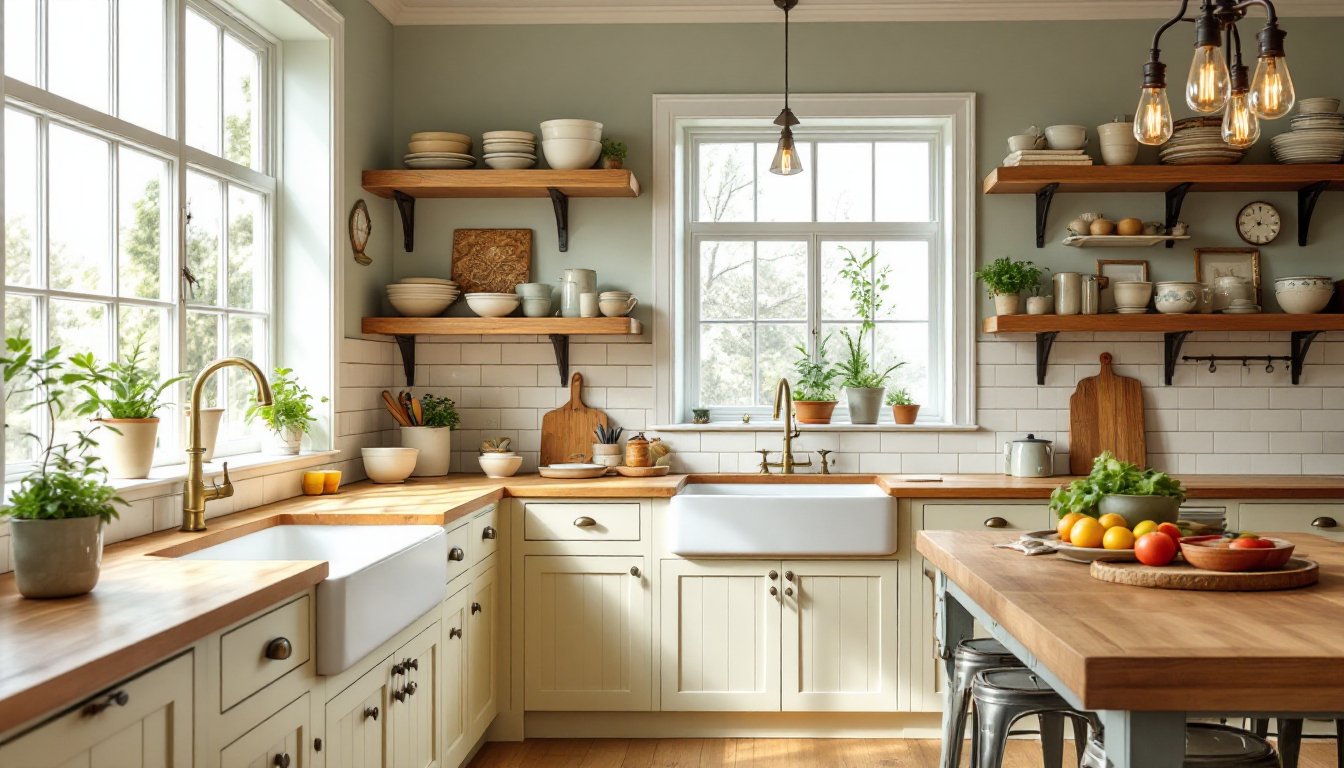
Another major interior design trend for beginners involves natural materials. Wood, stone, rattan, linen, and wool are all popular choices in 2026. These materials add texture and visual interest while connecting indoor spaces to the natural world.
Sustainability matters here too. Many consumers now prefer furniture made from reclaimed wood, recycled metals, or responsibly sourced materials. Vintage and secondhand pieces also fit this interior design trend perfectly. A worn leather chair or antique wooden side table adds character while reducing waste.
Beginners can incorporate natural materials through:
- Wooden cutting boards or bowls in the kitchen
- Linen curtains or cotton throws in the bedroom
- Rattan baskets for storage
- Stone or ceramic planters
- Jute or wool area rugs
These additions don’t require a full renovation. Small changes make a noticeable difference.
How to Start Incorporating Trends Into Your Home
Knowing about interior design trends is one thing. Actually applying them is another. Here’s a practical approach for beginners.
Start with one room. Trying to update an entire home at once leads to decision fatigue and overspending. Pick a single space, maybe a living room or bedroom, and focus there first. This lets beginners experiment without major risk.
Set a realistic budget. Interior design trends for beginners don’t require expensive purchases. A $50 throw blanket in a trendy color can refresh a space just as effectively as a $2,000 sofa. Prioritize items that will have the biggest visual impact: paint, textiles, and lighting often deliver the best return.
Mix trends with timeless pieces. The smartest approach to interior design combines current trends with classic elements. A trendy terracotta lamp looks great on a timeless mid-century dresser. This balance prevents rooms from feeling dated in two years.
Use the 80/20 rule. Keep about 80% of a room’s elements neutral or timeless. Reserve 20% for trendy accents. This makes updating easy, swap out the trendy pieces when tastes change without redoing the whole space.
Create a mood board first. Before buying anything, collect images of rooms that appeal to you. Pinterest and Instagram work well for this. Look for patterns in what you’re drawn to. Do you keep saving rooms with warm wood tones? Green accents? This self-reflection helps beginners understand their actual preferences within current interior design trends.
Common Mistakes Beginners Should Avoid
Even with good intentions, beginners often stumble when applying interior design trends. Here are the most common pitfalls, and how to avoid them.
Following every trend at once. Mixing too many interior design trends creates visual chaos. A room with terracotta walls, maximalist patterns, and industrial fixtures fights with itself. Pick one or two complementary trends and commit.
Ignoring scale and proportion. A massive sectional in a small living room overwhelms the space, no matter how trendy the style. Interior design trends for beginners should always be filtered through practical considerations like room size and furniture scale.
Forgetting about lighting. Great furniture and colors fall flat under bad lighting. Many beginners overlook this element entirely. Add layered lighting, ambient, task, and accent, to make any interior design trend shine properly.
Copying showrooms exactly. Showroom designs use professional styling, perfect lighting, and curated accessories. Real homes have kids, pets, and daily life. Adapt interior design trends to actual living situations rather than trying to replicate magazine photos.
Rushing the process. Building a well-designed space takes time. Beginners often rush to fill empty rooms with whatever’s available. Patience leads to better choices. Live in a space for a while before committing to major purchases. Notice what’s missing and what you actually need.