The best interior design trends for 2025 blend comfort, style, and sustainability in fresh ways. Homeowners and designers are moving away from cold, sterile aesthetics. They’re embracing warmth, texture, and personality instead.
This year’s trends reflect a shift toward intentional living. People want spaces that feel good, not just spaces that look good on social media. From earthy palettes to statement furniture, 2025 offers something for every taste.
Whether you’re planning a full renovation or a simple refresh, these interior design trends will help you create a home that feels current and timeless.
Table of Contents
ToggleKey Takeaways
- The best interior design trends for 2025 prioritize warmth, texture, and sustainability over cold, sterile aesthetics.
- Warm minimalism combines clean lines with natural materials like wood, stone, and linen to create inviting yet simple spaces.
- Bold colors such as deep greens and rich burgundies are making a comeback, paired with textured surfaces for added visual depth.
- Curved furniture and organic shapes soften modern architecture and improve traffic flow while offering timeless appeal.
- Sustainable design and vintage-inspired pieces reduce environmental impact while adding unique character to your home.
- Mixing eras and styles—like pairing contemporary sofas with antique side tables—creates the most interesting and personalized interiors.
Warm Minimalism and Natural Materials
Warm minimalism has replaced the stark, all-white interiors of previous years. This interior design trend keeps the clean lines of traditional minimalism but adds soul through texture and warmth.
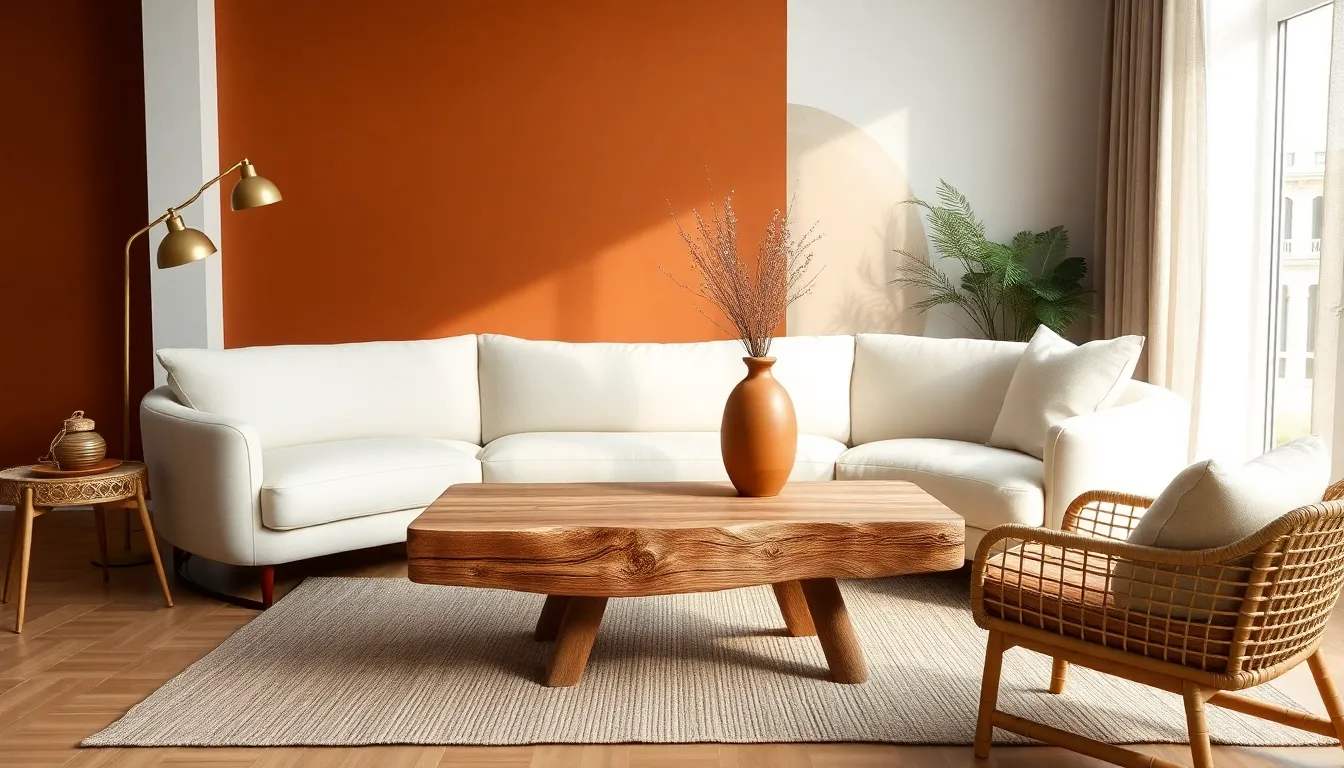
Think soft beiges, creamy whites, and warm terracotta tones. These colors create calm without feeling clinical. The goal is simplicity that still feels inviting.
Natural materials play a starring role here. Wood, stone, linen, and wool add depth to simple spaces. A raw oak dining table or a stone coffee table becomes the focal point of a room. These pieces don’t need much company, they carry visual weight on their own.
Designers recommend choosing furniture with visible grain and natural imperfections. These details make spaces feel lived-in rather than staged. A handwoven rug or a clay vase can transform a sterile room into a sanctuary.
Warm minimalism also encourages intentional editing. Instead of filling every corner, leave breathing room. Each item should serve a purpose or bring joy. This approach saves money and creates more peaceful environments.
For those interested in the best interior design trends, warm minimalism offers an accessible starting point. It works in small apartments and large homes alike.
Bold Colors and Textured Surfaces
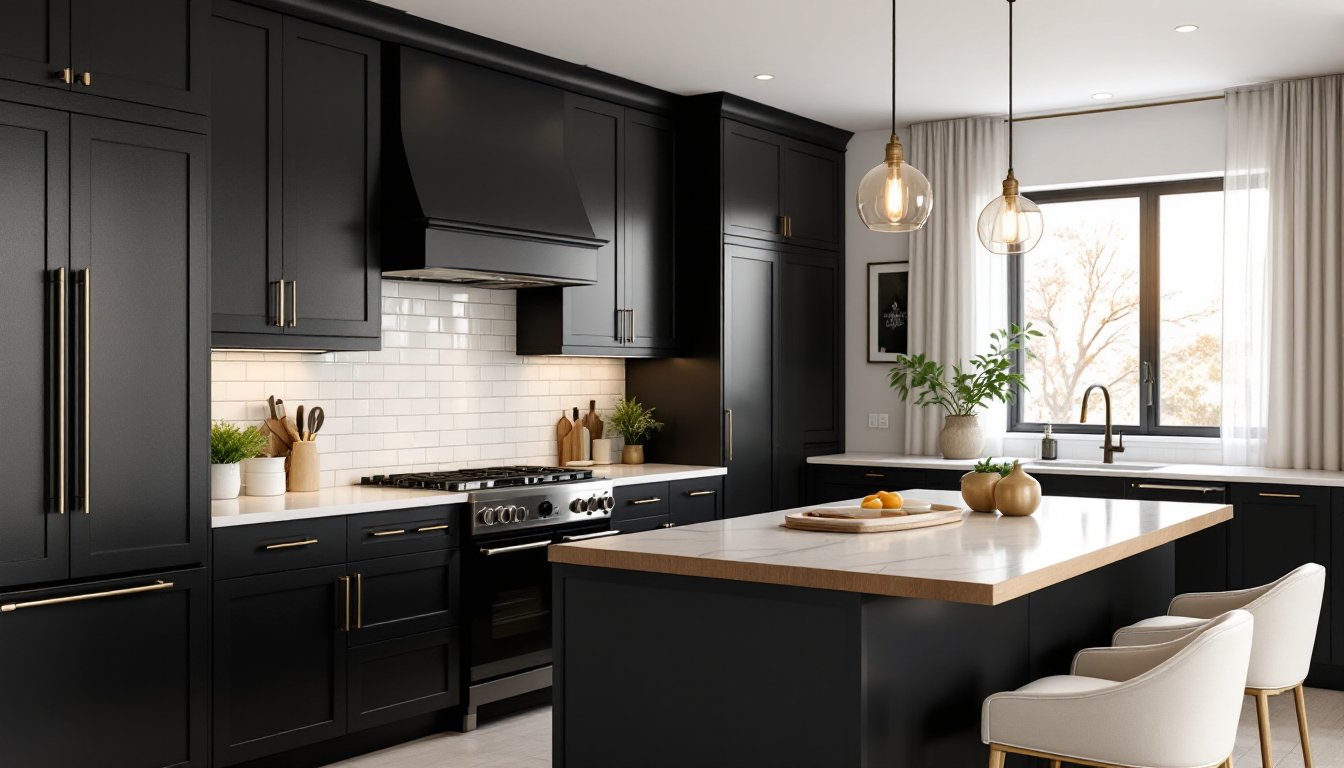
After years of neutral dominance, bold colors are making a strong comeback. Deep greens, rich burgundies, and saturated blues are appearing on walls, furniture, and accessories.
This interior design trend isn’t about painting every wall bright orange. It’s about strategic pops of color that create mood and interest. A single emerald accent wall can transform an entire room. A mustard velvet sofa becomes a conversation piece.
Texture matters as much as color in 2025. Designers are layering materials to add visual and tactile interest. Bouclé fabric on chairs, ribbed glass on cabinet doors, and fluted wood panels on walls create dimension.
The combination of bold color and rich texture prevents spaces from feeling flat. A navy room with a smooth leather couch feels different from the same room with a chunky wool sectional. Both work, but they create completely different vibes.
Wall treatments are getting more adventurous too. Limewash paint creates soft, cloud-like effects. Venetian plaster adds old-world charm. These finishes give walls character that flat paint simply can’t match.
Homeowners following the best interior design trends should start small with color. A painted door, colorful throw pillows, or bold artwork lets you test the waters before committing to larger pieces.
Curved Furniture and Organic Shapes
Sharp angles are out. Soft curves are in. This interior design trend brings warmth and flow to living spaces through rounded furniture and organic forms.
Curved sofas, arched mirrors, and oval coffee tables dominate showrooms right now. These pieces soften the hard lines of modern architecture. They make rooms feel more welcoming and less formal.
The appeal goes beyond aesthetics. Curved furniture often improves traffic flow. A round dining table allows easier conversation than a rectangular one. An arched doorway draws the eye naturally through a space.
Designers point to 1970s Italian furniture as inspiration for this trend. Those bold, sculptural pieces are influencing everything from lighting to seating. A single statement chair with an unusual silhouette can define a room’s personality.
Organic shapes extend to decor items too. Irregular vases, asymmetrical sculptures, and free-form mirrors add artistic interest. These pieces feel handmade and unique, even when they’re mass-produced.
For those tracking the best interior design trends, curved furniture offers excellent longevity. Unlike some trendy pieces, rounded forms have appeared throughout design history. They feel fresh now but won’t look dated in five years.
Mixing curves with some straight lines creates balance. A curved sofa against a rectangular bookshelf, for example, provides visual contrast without chaos.
Sustainable and Vintage-Inspired Design
Sustainability has moved from niche concern to mainstream priority. This interior design trend reflects growing awareness about environmental impact and a rejection of disposable furniture.
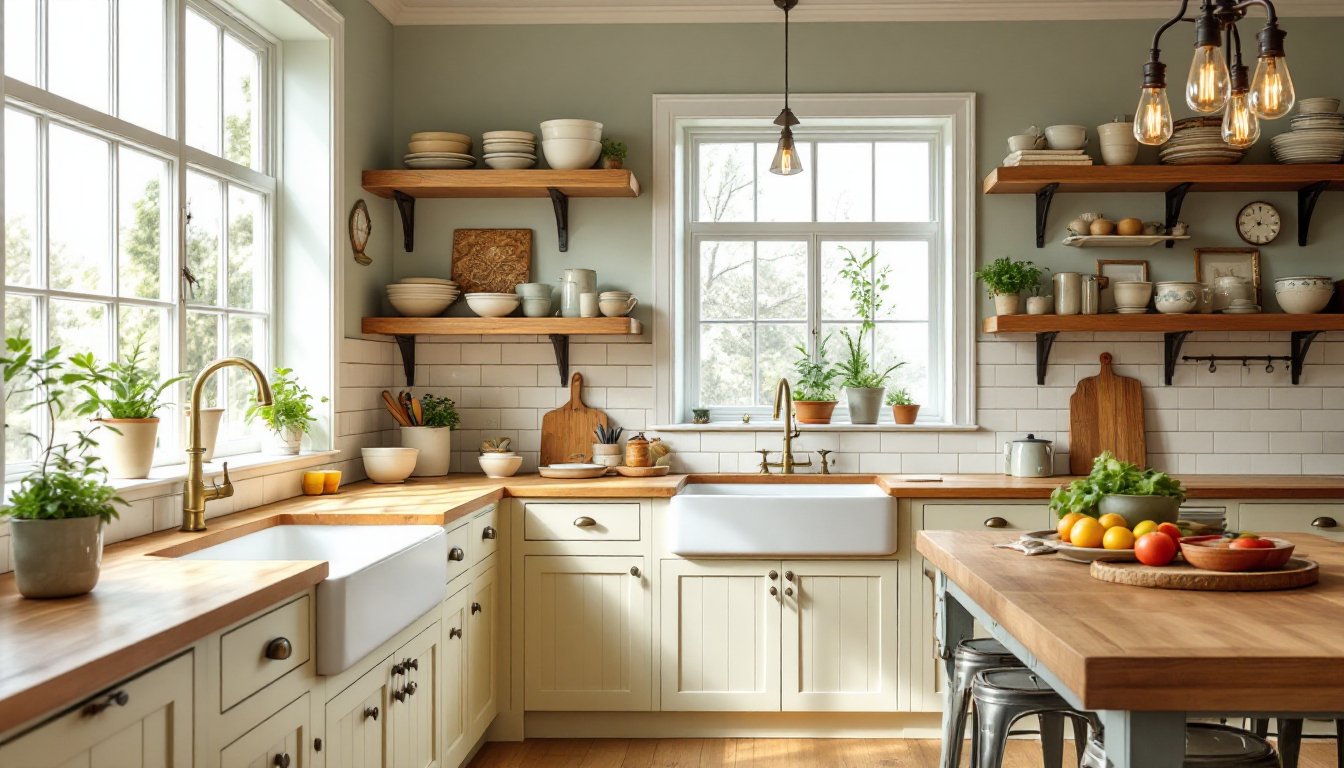
Vintage and antique pieces are having a major moment. Shoppers are scouring estate sales, thrift stores, and online marketplaces for one-of-a-kind finds. A vintage brass lamp or an antique chest adds history and character that new furniture can’t replicate.
This approach also makes financial sense. Quality vintage pieces often cost less than new designer items. They hold their value better too. A well-made mid-century dresser will outlast most flat-pack alternatives by decades.
New furniture manufacturers are responding to sustainability demands. Many now offer pieces made from reclaimed wood, recycled metals, and eco-friendly fabrics. Certifications like FSC (Forest Stewardship Council) help buyers identify responsible choices.
The vintage-inspired look doesn’t require actual antiques. Many brands create new furniture with retro aesthetics, think cane details, brass hardware, and traditional joinery. These pieces blend seamlessly with genuine vintage finds.
Among the best interior design trends for 2025, sustainable design offers the most lasting impact. It reduces waste, supports craftsmanship, and creates spaces with genuine personality.
Mixing eras creates the most interesting interiors. A contemporary sofa paired with a Victorian side table tells a story. It suggests a home that has evolved over time rather than being purchased all at once.