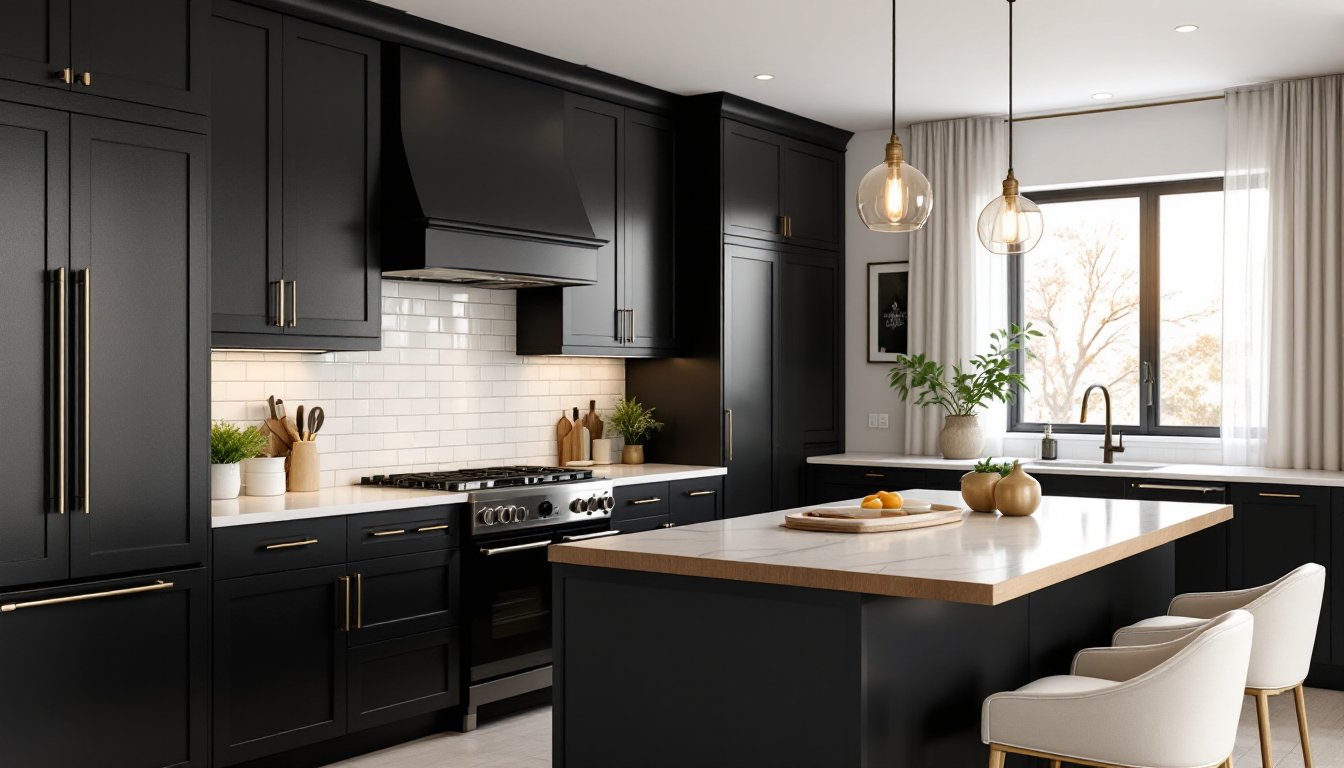
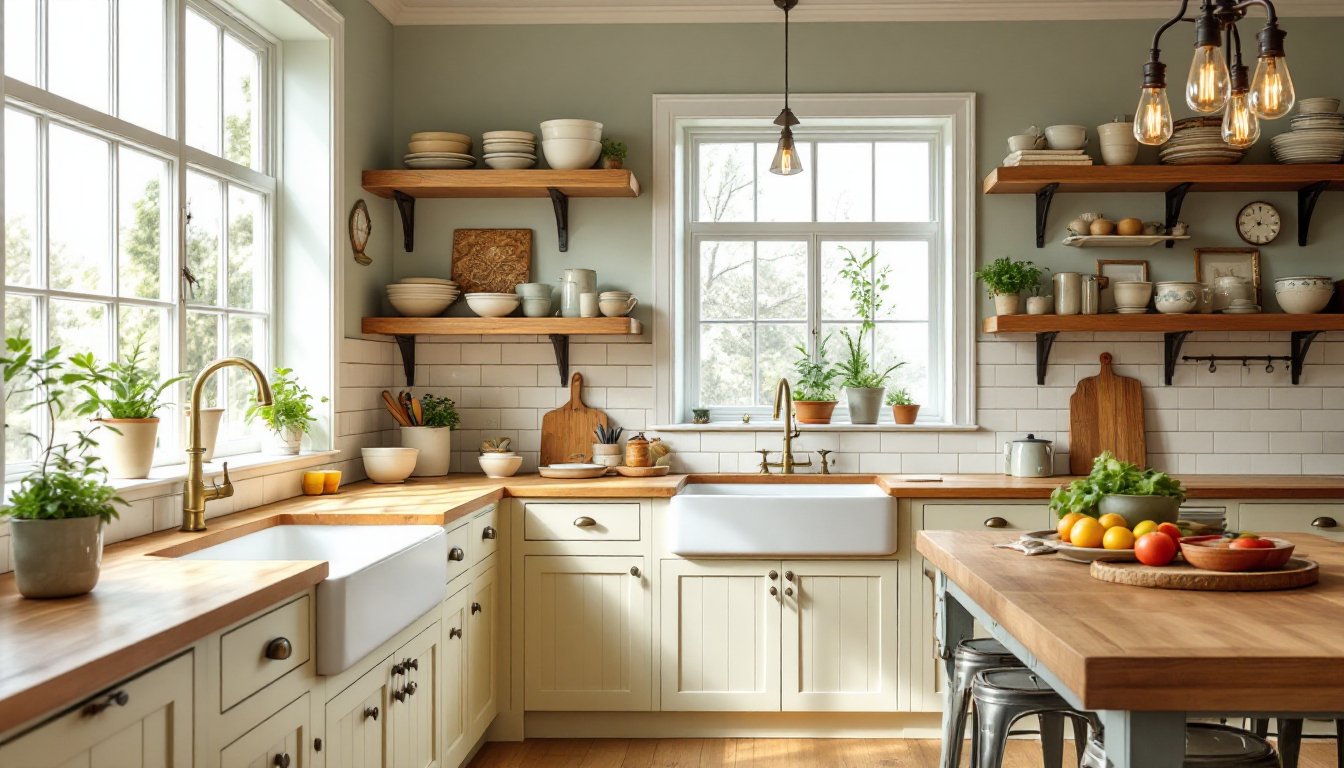
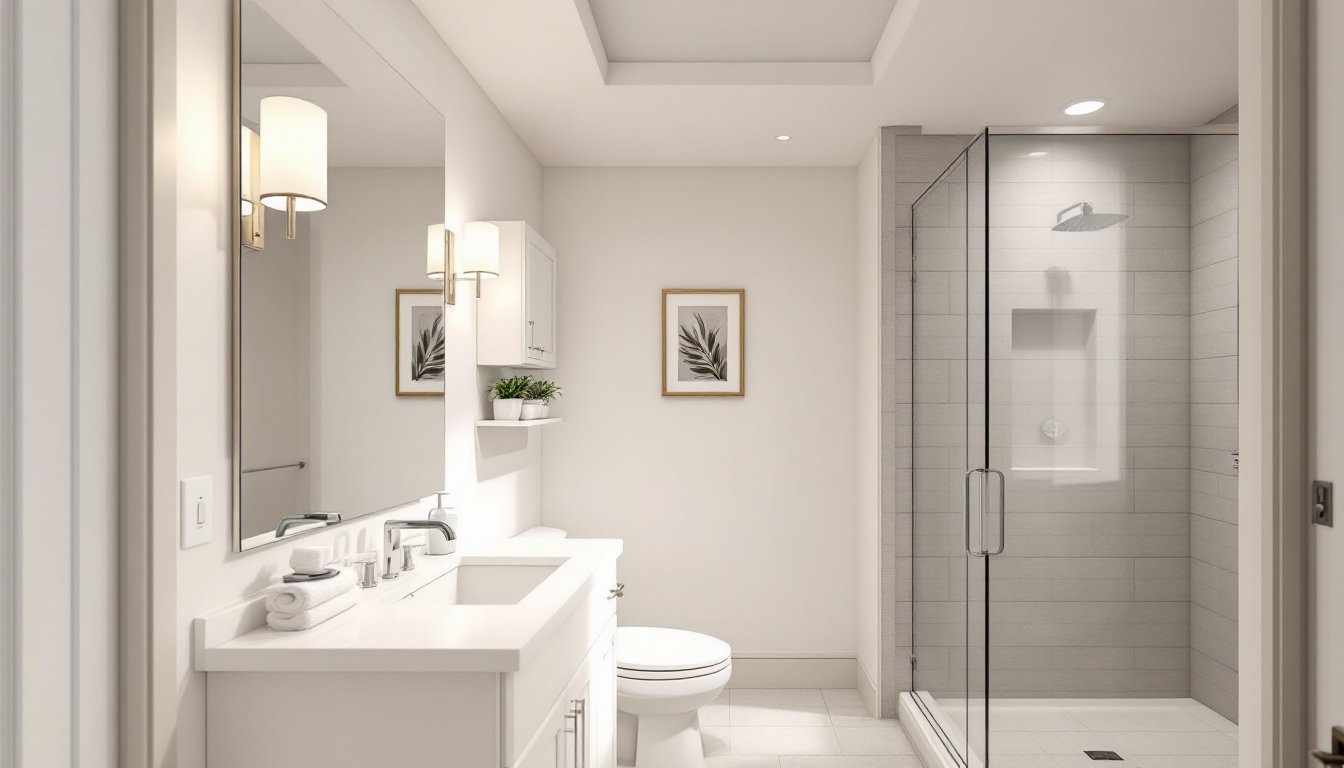
The top interior design trends for 2025 reflect a shift toward warmth, personality, and conscious living. Homeowners want spaces that feel both stylish and grounded. This year’s trends favor natural textures, bold color choices, and sustainable materials. Whether someone is renovating a single room or rethinking an entire home, these interior design trends offer fresh inspiration. The following sections break down the most influential styles shaping homes right now.
Table of Contents
ToggleKey Takeaways
- The top interior design trends for 2025 prioritize warmth, personality, and sustainable living over cool minimalism.
- Natural materials like wood, stone, and rattan paired with earthy tones create timeless spaces that age beautifully.
- Bold jewel tones and statement accents add energy to neutral rooms—balance is key to avoiding visual overwhelm.
- Curved furniture and organic shapes replace angular designs, bringing warmth and movement to modern interiors.
- Sustainability drives design choices, with homeowners favoring reclaimed materials, durable pieces, and vintage finds.
- Mixing vintage pieces with modern furniture creates layered, personal spaces that feel collected over time.
Embracing Natural Materials and Earthy Tones
Natural materials dominate the top interior design trends this year. Wood, stone, rattan, and linen create spaces that feel connected to the outdoors. Designers favor raw finishes over polished surfaces, think unfinished oak tables, exposed brick walls, and handwoven textiles.
Earthy tones anchor these material choices. Warm browns, terracotta, sage green, and clay-inspired hues replace the cool grays that dominated the last decade. These colors work across every room, from living spaces to bedrooms.
The appeal is practical too. Natural materials age well. A solid wood dining table develops character over time rather than looking worn. Stone countertops resist trends better than engineered alternatives. Homeowners investing in these interior design trends often find their spaces feel current for years.
Layering textures adds depth to these neutral palettes. A room might combine a jute rug, linen curtains, and a leather armchair. Each element introduces visual interest without competing for attention. The result feels calm and collected.
Bold Colors and Statement Accents
While earthy tones provide a foundation, bold colors are making a strong return. The top interior design trends for 2025 include rich jewel tones, saturated primaries, and unexpected color pairings.
Deep greens, cobalt blues, and burnt oranges appear on accent walls, upholstered furniture, and decorative objects. These colors inject energy into otherwise neutral rooms. A mustard yellow sofa can transform a beige living room. A navy blue kitchen island creates instant drama.
Statement accents extend beyond color. Oversized artwork, sculptural lighting fixtures, and bold patterned rugs serve as focal points. These pieces express personality and break up predictable layouts.
The key is balance. Most designers recommend limiting bold choices to one or two elements per room. A striking chandelier pairs well with understated furniture. A colorful rug works best against simple walls. This approach lets each statement piece shine without overwhelming the space.
These interior design trends encourage homeowners to take risks. Playing with color and scale creates rooms that feel dynamic and personal.
Curved Furniture and Organic Shapes
Sharp corners are out. Curved furniture ranks among the top interior design trends shaping 2025 interiors. Rounded sofas, arched doorways, and circular mirrors soften modern spaces.
This shift responds to years of angular, minimalist design. Curves introduce warmth and movement. A kidney-shaped coffee table invites people to gather around it. An arched bookcase draws the eye upward. These shapes feel approachable and comfortable.
Organic forms extend to architectural details. Designers incorporate curved alcoves, rounded niches, and sculptural built-ins. Even lighting follows this trend, globe pendants and wave-shaped sconces replace geometric fixtures.
The furniture industry has responded with new collections featuring softer silhouettes. Bouclé-upholstered armchairs with curved backs appear in showrooms everywhere. Oval dining tables replace rectangular ones in many homes.
These interior design trends work in both traditional and contemporary settings. Curves complement natural materials particularly well. A rounded wooden console table or a stone vessel sink reinforces the organic aesthetic many homeowners seek.
Sustainable and Eco-Friendly Design Choices
Sustainability shapes the top interior design trends more than ever. Homeowners want beautiful spaces that minimize environmental impact. This priority influences material selection, manufacturing processes, and purchasing decisions.
Reclaimed wood, recycled metals, and low-VOC paints have become standard options. Manufacturers now highlight sustainable practices as selling points. Furniture made from FSC-certified timber or recycled ocean plastics appeals to conscious consumers.
Quality over quantity defines this approach. Rather than buying cheap furniture that needs replacing, homeowners invest in durable pieces. A well-made sofa lasts decades. Solid wood tables can be refinished rather than discarded.
Vintage and secondhand shopping supports this mindset. Estate sales, antique markets, and online resale platforms offer unique finds with zero manufacturing footprint. Many interior design trends now celebrate the imperfect beauty of preloved items.
Energy efficiency also factors into design decisions. Large windows maximize natural light. Ceiling fans reduce air conditioning needs. Smart home systems optimize energy use. These practical choices align with broader sustainability goals while enhancing daily comfort.
Blending Vintage With Modern Elements
The top interior design trends in 2025 reject matchy-matchy rooms. Instead, designers mix vintage pieces with contemporary furniture. This creates layered spaces that feel collected over time rather than purchased all at once.
A mid-century credenza might sit beneath a modern abstract painting. An antique Persian rug anchors a room filled with sleek, minimal seating. This contrast adds visual interest and prevents spaces from feeling like catalog showrooms.
Vintage pieces bring history and craftsmanship. Older furniture often features solid wood construction and hand-carved details that mass-produced items lack. These qualities make vintage finds stand out in modern settings.
The mix also reflects personal style. Family heirlooms, travel souvenirs, and flea market discoveries tell stories. These objects make homes feel lived-in and authentic.
Successful mixing requires intention. Designers recommend finding common threads, similar wood tones, complementary colors, or consistent proportions. These connections unify disparate pieces. The interior design trends favor thoughtful curation over random assembly.
This approach also saves money. Investing in a few quality new pieces while sourcing vintage alternatives stretches budgets further.