A kitchen remodel doesn’t have to start with gut-and-rebuild thinking. Whether you’re refreshing one corner or tackling a full redesign, kitchen remodel design <a href="https://beeftrustkitchenbar.com/home-renovation-ideas-guide/”>ideas rooted in function and durability beat Pinterest trends every time. This guide walks through actionable strategies for color, layout, cabinetry, countertops, lighting, and flooring, the bones of a kitchen that works harder and looks sharper. Homeowners who plan around their daily workflow first, then layer in style, end up with spaces they actually want to spend time in.
Table of Contents
ToggleKey Takeaways
- Prioritize workflow and daily cooking patterns first when planning kitchen remodel design ideas, then layer in color and style to create spaces you’ll actually love living in.
- Modern color schemes favor warm neutrals and subtle, layered palettes over bold saturation—test paint samples at different times of day since kitchen lighting significantly affects color perception.
- Optimize the work triangle (sink, stove, refrigerator) with a perimeter distance of 15–26 feet and ensure at least 24 inches of counter space around appliances for efficient, functional cooking.
- Cabinetry represents 30–40% of remodel budgets; consider refacing existing cabinets for 40–50% savings, and maximize storage with pull-out baskets and vertical dividers instead of deep shelves.
- Layer your kitchen lighting with under-cabinet task lighting, pendant lights, and ambient fixtures in warm-toned LED (2700K) to transform both functionality and ambiance without relying on a single overhead fixture.
- For flooring, luxury vinyl plank or porcelain tile offer the best durability-to-cost balance in high-traffic kitchens, outperforming hardwood which is vulnerable to water damage and swelling around sinks and dishwashers.
Modern Color Schemes That Enhance Your Kitchen’s Visual Appeal
Color sets the tone before anything else, and it’s one of the cheapest ways to start a kitchen remodel. Modern kitchens in 2026 lean toward warm neutrals over the ice-white cabinets of a decade ago. Soft grays, warm whites with subtle undertones, and even muted greens are holding strong because they age well and pair with nearly any countertop or flooring material.
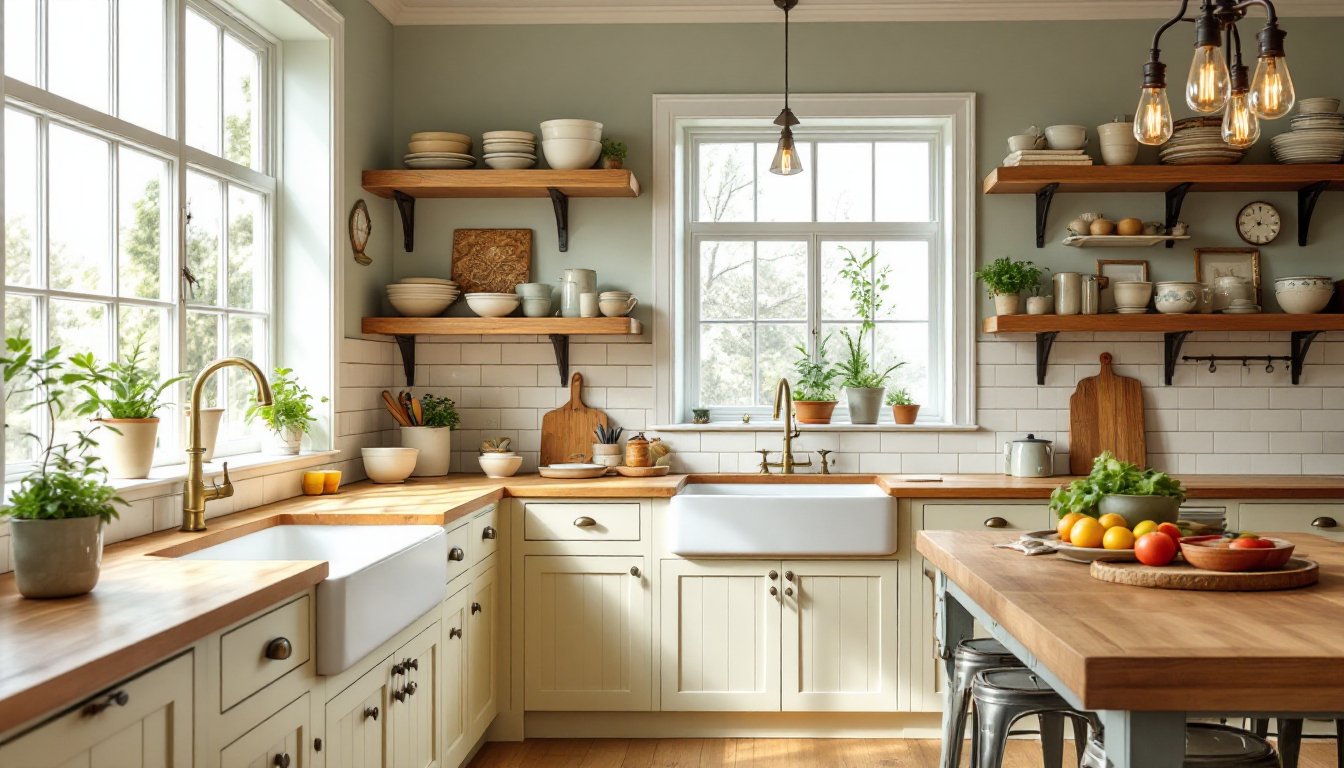
If you’re hesitant about bold color, start on the walls or a single accent wall. Warm sage or soft charcoal feels intentional without boxing you in. Cabinet colors deserve careful thought because they’re a bigger commitment: soft whites, grays, and even gentle blues are practical and forgiving. Pair cabinet color with countertop undertones, a cream cabinet looks sharper against black quartz, while a gray cabinet does better with warmer stone or wood-look laminate.
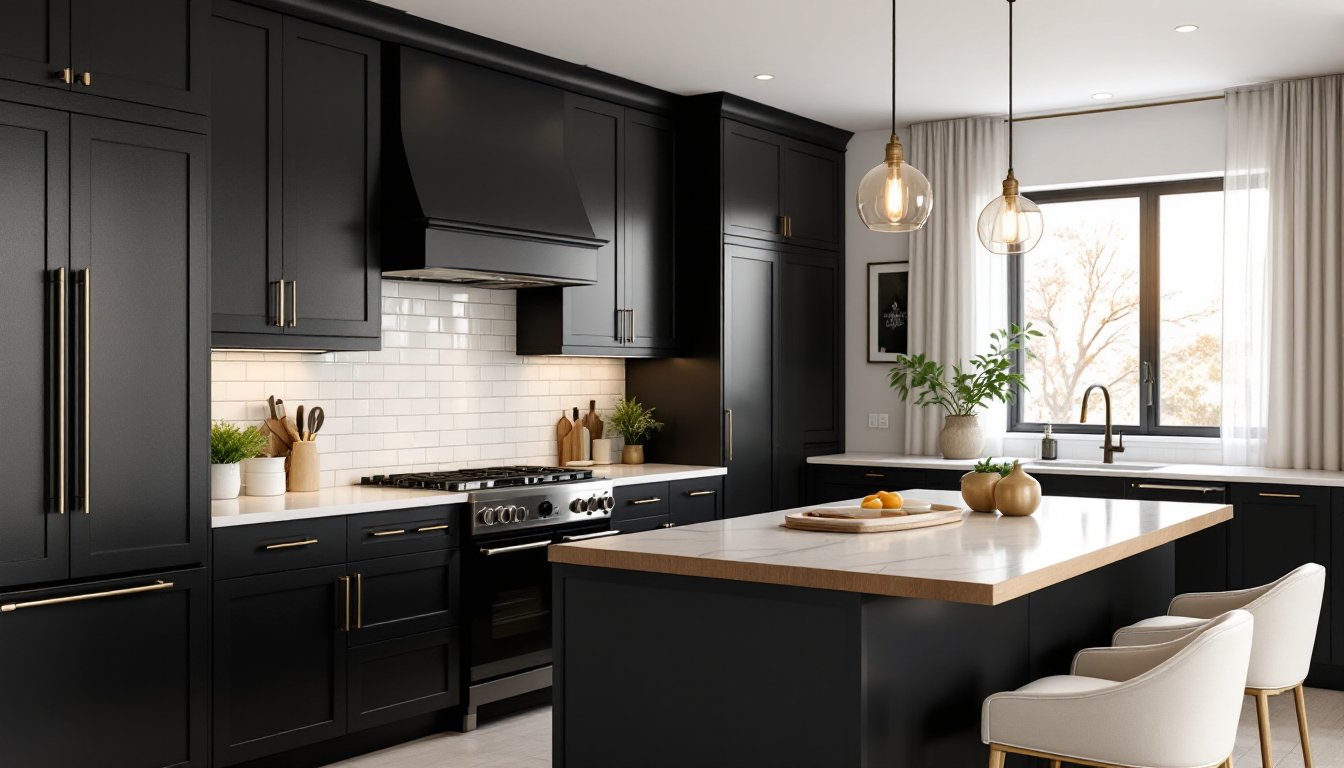
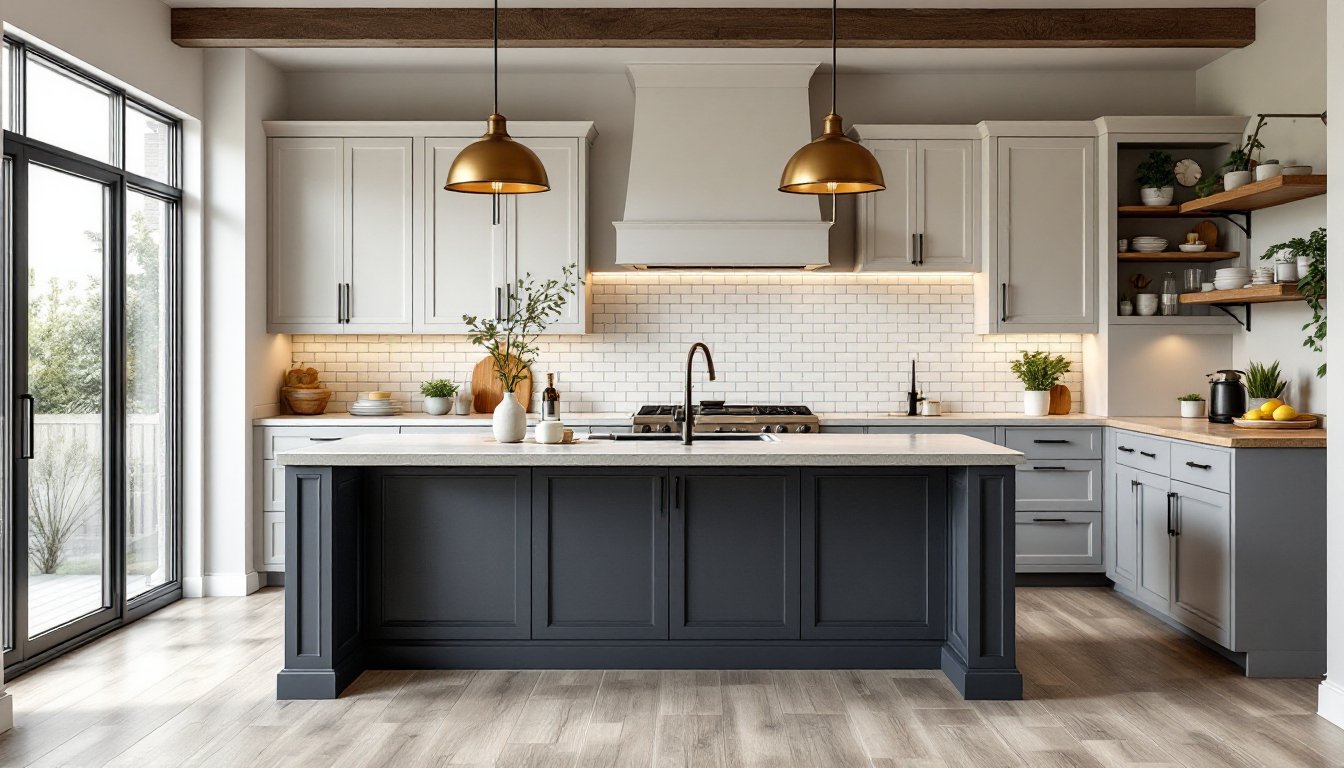
Don’t overlook contrast. A dark kitchen island against lighter perimeter cabinets creates visual interest and breaks up visual weight. Just remember: top interior design trends show that subtle, layered color palettes outperform heavy saturation in kitchens, where you’ll live with the space every single day. Test paint samples at different times of day, kitchen lighting changes your color perception more than you’d expect.
Smart Layout Improvements for Better Functionality
Layout determines whether cooking feels like a breeze or a traffic jam. The most efficient kitchens balance workflow with realistic space. Before repositioning appliances (which can mean new plumbing and electrical, permit territory), map out your actual cooking patterns.
Optimizing the Work Triangle
The classic work triangle connects sink, stove, and refrigerator. Aim for a perimeter total of 15–26 feet between the three points: too tight feels cramped, too spread makes cooking inefficient. Island kitchens flip this dynamic: the island becomes a secondary workspace, which works well for families or open-concept homes.
Layout tweaks that don’t require permits include repositioning a movable island, adding a narrow rolling cart for prep space, or creating zones: a beverage station away from the main work area, for example. If structural changes are on your radar, moving appliances, expanding the wall opening, get a contractor’s eye and check local codes. Some appliance relocations require a licensed electrician or plumber.
Consider counter space around appliances. A stove with less than 18 inches of counter to one side is frustrating: aim for 24 inches when possible. Corners are dead space unless you install pull-out organizers. Small kitchens benefit from a galley layout with a narrow work zone: larger spaces can support a peninsula or island without blocking traffic flow.
Cabinetry and Storage Solutions That Maximize Space
Cabinetry eats up 30–40% of most kitchen remodel budgets, so it’s worth getting right. Stock cabinets are budget-friendly and quick: semi-custom offers better sizing options: full custom gives flexibility but higher cost and longer lead times. Don’t assume old cabinets are worthless, refacing (replacing doors and hardware while keeping the box) refreshes the look for 40–50% of replacement cost.
Storage is where most DIYers stumble. Examine what actually lives in your kitchen: small appliances, cookbooks, serving dishes, bulk pantry items. Plan drawers and shelves around real inventory, not some imagined organized life. Pull-out baskets in lower cabinets beat deep shelves where things get lost. Vertical dividers for baking sheets and cutting boards prevent the kitchen-junk-drawer effect.
Hardware gets overlooked but changes the whole feel. Brushed stainless, matte black, and aged brass are durable finishes that hide fingerprints better than polished chrome. Handles and knobs aren’t tiny details, they’re tactile touchpoints you use dozens of times daily. Test them in person before ordering.
Countertop and Backsplash Choices for Durability and Style
Countertops take a beating: heat, moisture, acidic foods, scratches from pots. Quartz has become the practical default because it’s non-porous, doesn’t need sealing, and resists stains and scratches. Granite is beautiful but softer and requires annual sealing. Laminate costs less and comes in wood-look and stone-look finishes that are genuinely convincing now, totally serviceable for budget remodels.
Butcher block and concrete are stylish but demand maintenance: butcher block needs food-grade oil regularly, concrete etches from acidic cleaners. If you love the look, commit to the care or they’ll age poorly fast. Solid surface (like Corian) offers easy repair but softer durability than quartz.
Countertop edges matter. A simple square edge is clean and affordable: eased edges hide dust better: waterfall edges on islands look designer but aren’t structurally necessary. Overhangs for seating (12–15 inches is standard) require support brackets if the island or peninsula doesn’t have a structural leg underneath.
Backsplashes protect walls from splashes and define the space visually. Subway tile is timeless and affordable: large format tile (24″ or bigger) looks contemporary and reduces grout lines. Mosaic or hand-painted tile adds personality but requires more grout maintenance. Glass is wipeable and modern. Budget simple grout for easy cleaning, or splurge on epoxy grout that resists staining. Kitchen design ideas from leading sources show that subtle, neutral backsplashes work harder than trendy patterned tile because they don’t date quickly.
Lighting Upgrades That Transform Ambiance and Functionality
Most kitchens rely on a single overhead fixture, which is why they feel dark and unflattering. Layered lighting, task, ambient, and accent, transforms the space. Under-cabinet task lighting with LED strips (10–15 watts per foot) brightens the work surface without shadow from overhead cabinets and costs pennies to run. Install on the front edge of cabinets, pointed downward.
Pendant lights over an island serve double duty: task lighting for prep and visual interest. Space them 24–30 inches apart and about 30–36 inches above the counter. Recessed lights (6-inch trim) are clean but often need supplementary task lighting. A dimmer switch on ambient lights lets you shift from bright working light to softer evening mood.
Bright, warm-toned LED bulbs (2700K color temperature) feel inviting. Cool white (4000K+) looks harsh in kitchens. Under-cabinet lighting should be bright and cool-toned for task work, but save the warm tone for ambient fixtures. If your kitchen opens to a dining or living area, maintain consistent color temperature across the rooms or it’ll look jarring. Upgrading to LED pays for itself in electricity savings within a few years, especially in high-use spaces like kitchens.
Flooring Options for High-Traffic Kitchen Areas
Kitchen floors need to withstand spills, dropped pans, and daily foot traffic. Porcelain tile is nearly indestructible, relatively affordable, and comes in wood-look and stone-look finishes that feel warm underfoot. Grout lines are the maintenance catch: dark grout hides dirt: light grout shows spills. Sealed grout requires periodic refreshing: epoxy grout is pricier but lasts longer.
Wood-look laminate or vinyl is warmer and quieter than tile, costs less, and handles moisture better than real hardwood, smart for kitchens. Luxury vinyl plank (LVP) has improved dramatically: good-quality product mimics hardwood convincingly and is waterproof. Cheap vinyl looks plastic and wears through: don’t cheap out here. Budget for underlayment (the foam base under floating floors) because it protects joints and provides noise dampening.
Hardwood is beautiful but risky in kitchens: water and spills swell the planks, especially around dishwashers and sinks. If you choose hardwood, finish it with a water-resistant topcoat, use an area rug in high-splash zones, and accept that touch-ups and refinishing will happen. Darker stains hide scratches better than light finishes in active kitchens. Easy ways to transform a kitchen often prioritize flooring refreshes because they anchor the whole aesthetic and wear visibly. For most homeowners, tile or luxury vinyl offers the best durability-to-cost ratio.