Home renovation ideas are shifting fast as homeowners prepare for 2026. New priorities around sustainability, technology, and flexible living spaces are reshaping how people update their homes. Whether planning a full remodel or a few strategic upgrades, understanding upcoming home renovation trends helps make smarter decisions.
This year, the focus moves beyond aesthetics. Homeowners want spaces that work harder, last longer, and feel more connected to nature. From eco-friendly materials to outdoor living upgrades, 2026 brings fresh approaches worth considering. Here’s what to expect.
Table of Contents
ToggleKey Takeaways
- Home renovation ideas for 2026 prioritize sustainability, with reclaimed wood, bamboo flooring, and low-VOC paints leading eco-friendly material choices.
- Smart home integration is now essential—whole-home automation, smart thermostats, and pre-wiring for future technology add value and convenience.
- Multifunctional living spaces maximize square footage through Murphy beds, movable partitions, and larger kitchen islands that serve multiple purposes.
- Bold colors like deep greens and terracottas, paired with natural textures such as stone and rattan, are replacing all-neutral palettes.
- Outdoor living enhancements—including full outdoor kitchens, covered areas, and native landscaping—continue to expand usable home space.
- Energy-efficient upgrades like triple-pane windows and improved insulation can reduce energy bills by 15-25%.
Sustainable and Eco-Friendly Materials
Sustainability tops the list of home renovation ideas for 2026. Homeowners increasingly choose materials that reduce environmental impact without sacrificing style.
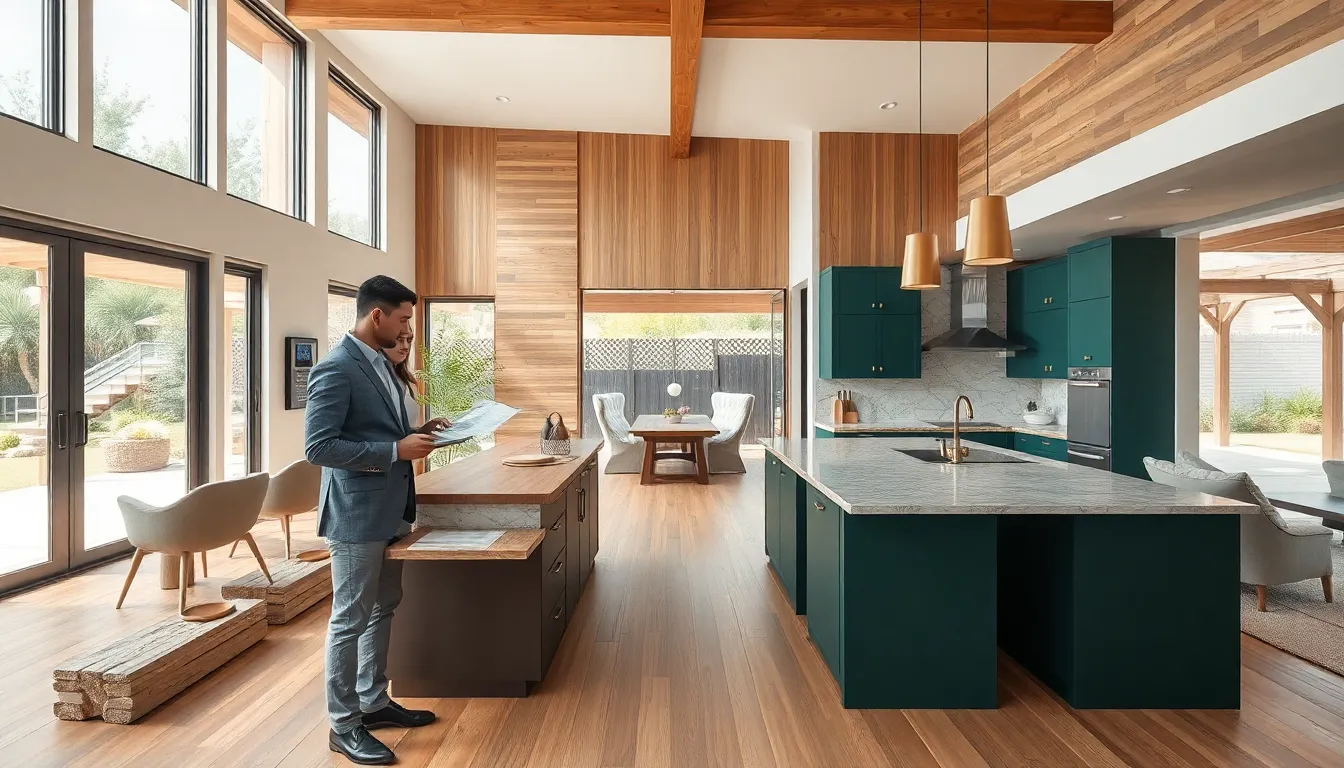
Reclaimed wood continues to gain popularity. It adds character to floors, accent walls, and cabinetry while keeping usable lumber out of landfills. Bamboo flooring offers another sustainable option, it grows quickly and provides durability comparable to traditional hardwoods.
Recycled glass countertops are appearing in more kitchens and bathrooms. These surfaces look striking and give new life to discarded materials. Cork, another renewable resource, works well for flooring and wall coverings. It provides natural insulation and sound absorption.
Low-VOC paints and finishes have become standard rather than specialty items. These products release fewer harmful chemicals into indoor air, making homes healthier for occupants. Many major paint brands now offer extensive low-VOC color selections.
Energy-efficient windows represent a practical home renovation trend for 2026. Triple-pane glass and improved frames reduce heating and cooling costs significantly. Some homeowners report savings of 15-25% on energy bills after upgrading windows.
Insulation improvements also rank high among eco-friendly renovations. Spray foam, cellulose made from recycled paper, and wool insulation all offer greener alternatives to traditional fiberglass.
Smart Home Integration
Smart home technology has moved from novelty to necessity in 2026 home renovation plans. Integration now happens during renovations rather than as an afterthought.
Whole-home automation systems connect lighting, climate control, security, and entertainment through a single interface. Voice assistants and smartphone apps give homeowners control from anywhere. Many systems learn household patterns and adjust settings automatically.
Smart thermostats have become essential home renovation additions. These devices optimize heating and cooling based on occupancy and preferences. They reduce energy waste and often pay for themselves within a year or two.
Automated lighting systems offer convenience and efficiency. Motion sensors turn lights on and off as needed. Programmable scenes adjust brightness and color temperature throughout the day. This technology supports circadian rhythms and can improve sleep quality.
Security upgrades feature prominently in home renovation ideas for 2026. Smart locks, video doorbells, and integrated camera systems provide peace of mind. Many systems allow remote monitoring and instant alerts to smartphones.
Kitchen and bathroom renovations increasingly include smart appliances. Refrigerators that track inventory, ovens controlled remotely, and showers with preset temperature profiles all save time and reduce daily friction.
Pre-wiring for future technology represents smart planning. Running conduit and extra wiring during a renovation makes later upgrades easier and less expensive.
Multifunctional Living Spaces
The demand for flexible spaces drives many home renovation trends in 2026. Rooms that serve multiple purposes help homeowners maximize square footage.
Home offices remain popular, but the approach has evolved. Built-in desks that fold away or transform into other furniture allow spaces to shift between work and leisure. Murphy beds with integrated desks turn spare rooms into true dual-purpose areas.
Open floor plans are getting smarter. Instead of removing all walls, homeowners add movable partitions, sliding doors, or curtain systems. These solutions allow spaces to open up for gatherings or close off for privacy.
Kitchen islands serve as cooking stations, dining areas, assignments spots, and social hubs. Many 2026 home renovation projects include larger islands with varied counter heights to accommodate different activities.
Basement and attic conversions remain strong home renovation ideas. These underused spaces become gyms, media rooms, guest suites, or rental units. Proper insulation, lighting, and ventilation transform them into comfortable living areas.
Storage solutions appear throughout multifunctional renovations. Built-in cabinets, under-stair drawers, and hidden compartments keep clutter contained. Custom closet systems maximize every inch of available space.
Bold Colors and Natural Textures
Color and texture trends for 2026 home renovations favor warmth and personality. Neutral palettes haven’t disappeared, but bolder choices are gaining ground.
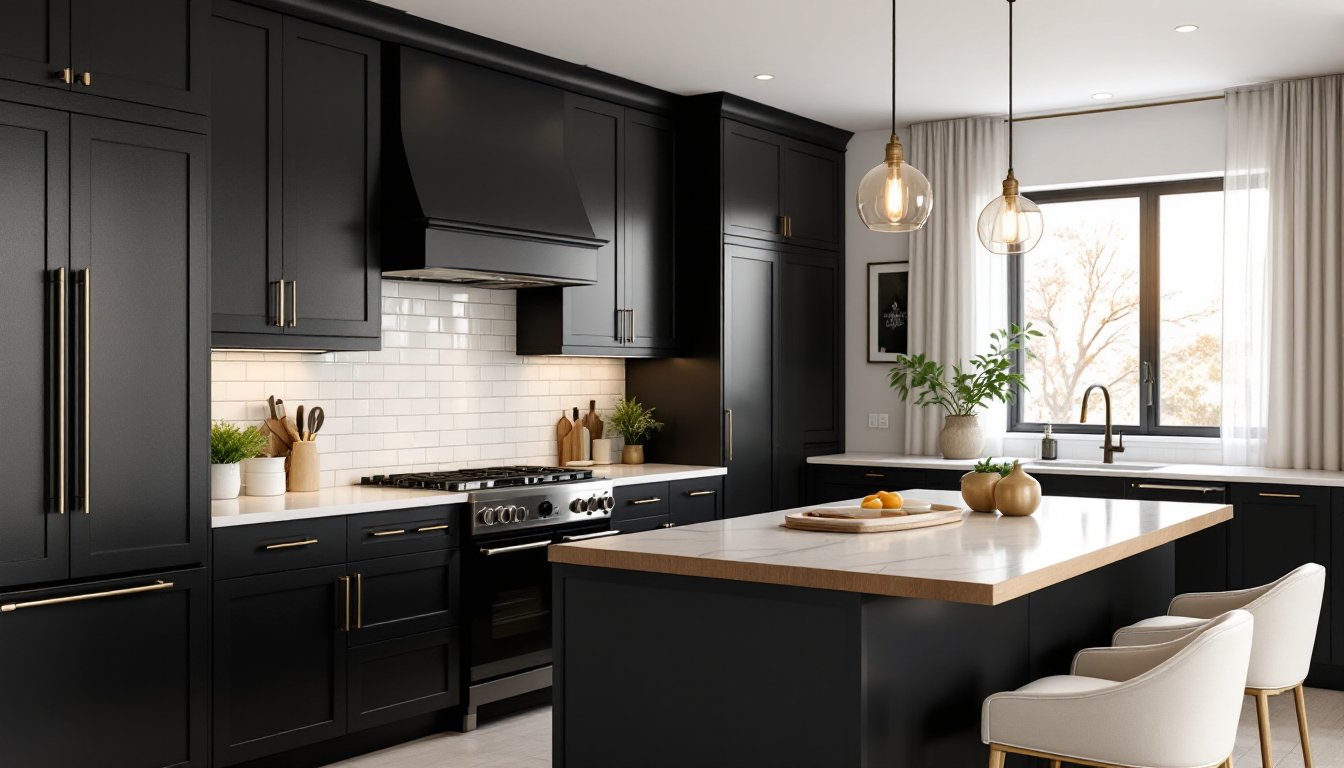
Deep greens, rich terracottas, and saturated blues appear on walls, cabinetry, and furniture. These colors create mood and visual interest. They work especially well in kitchens, bathrooms, and accent spaces.
Natural textures bring organic warmth to interiors. Stone, wood, rattan, and linen add tactile variety. Mixing these materials creates layered, inviting spaces.
Curved furniture and architectural elements soften angular rooms. Arched doorways, rounded kitchen islands, and curved sofas counter the hard lines of modern construction. This trend extends to lighting fixtures and decorative objects.
Statement tile continues as a popular home renovation choice. Bold patterns in bathrooms, kitchens, and entryways add personality. Geometric shapes, vintage-inspired designs, and handmade looks all have their fans.
Warm metals like brass, copper, and gold tone replace cooler chrome finishes. Hardware, light fixtures, and plumbing fixtures in these finishes add richness. Mixing metals, once considered a design mistake, now looks intentional and sophisticated.
Textured walls create visual interest without bold color. Limewash paint, Venetian plaster, and wood paneling add depth. These treatments work well in both modern and traditional homes.
Outdoor Living Enhancements
Outdoor spaces receive significant attention in 2026 home renovation projects. The trend toward treating yards as additional living areas continues to grow.
Outdoor kitchens have expanded beyond basic grills. Built-in refrigerators, sinks, pizza ovens, and storage create full cooking stations. Weather-resistant cabinetry and countertops make these kitchens practical year-round in many climates.
Covered outdoor areas extend usability. Pergolas with retractable canopies, permanent roof structures, and screened porches protect against sun and rain. Adding heaters or fans further extends the comfortable season.
Native landscaping represents an eco-conscious home renovation idea. Plants suited to local conditions require less water and maintenance. They also support local wildlife and pollinators.
Privacy features matter more as outdoor living increases. Fencing, hedges, and strategic plantings create secluded spaces. Vertical gardens and living walls add greenery while blocking sightlines.
Outdoor lighting transforms spaces for evening use. Path lights, uplighting on trees, and string lights create ambiance. Smart controls allow easy adjustment and scheduling.
Fire features remain popular. Fire pits, fireplaces, and fire tables extend outdoor seasons and create gathering spots. Both gas and wood-burning options have loyal followings.