Your kitchen countertop is real estate you touch multiple times a day, it’s where you prep meals, set groceries, and gather with family. That daily presence makes countertop design one of the highest-impact decisions in a kitchen renovation. The right countertop material, finish, and layout don’t just look good: they work harder, last longer, and define how your kitchen functions. Whether you’re tackling a full remodel or updating an existing surface, understanding your options helps you balance durability, maintenance, aesthetics, and budget. Here’s what you need to know about kitchen countertop design in 2026.
Table of Contents
ToggleKey Takeaways
- Kitchen countertop design sets the tone for your entire kitchen and impacts both functionality and aesthetics, making material selection critical to durability and daily usability.
- Granite and quartz remain premium choices for long-lasting elegance, while butcher block offers warm character at a lower price point—each material requires different maintenance levels.
- Modern kitchen countertop color trends favor neutral tones with depth (warm grays, creams, charcoals) and honed or leathered finishes that hide daily wear better than polished surfaces.
- Layout planning matters as much as appearance—optimize workflow by positioning prep counters near the fridge, cooking surfaces near the range, and islands with proper clearance for movement.
- Hybrid material strategies and secondary accent countertops let you achieve high-impact kitchen countertop design without premium costs by using budget options on secondary surfaces.
- Coordinate countertops with cabinetry, backsplash, and hardware intentionally—light counters with dark cabinets create drama, while busy backsplashes pair best with neutral, calm counter surfaces.
Popular Countertop Materials and Their Design Impact
Your material choice sets the tone for the entire kitchen. Different surfaces bring different aesthetics, durability profiles, and maintenance demands. Understanding what each brings to the table helps you make a choice that matches both your design vision and your real-world lifestyle.
Quartz and Granite: Timeless Elegance
Granite and quartz remain the go-to for homeowners wanting a premium look and durability that lasts decades. Granite is a natural stone, quarried, cut, and finished with a sealer. Each slab is unique, with veining and color variation that can’t be replicated. Quartz is engineered: crushed natural stone bound with resin, which makes it non-porous, stain-resistant, and lower-maintenance than granite. Both handle heat well, resist scratches from daily use, and develop a patina over time that many find appealing.
Granite requires periodic resealing (typically every 1–3 years, depending on the specific stone and how much use it gets). Quartz doesn’t need sealing. If durability and visual impact are your priorities, these materials deliver, though costs typically range from $50–$150 per linear foot installed, depending on grade and finish. Recent interior design trends examples highlight how these materials pair beautifully with modern cabinetry and minimalist design.
Butcher Block and Wood: Warm, Natural Appeal
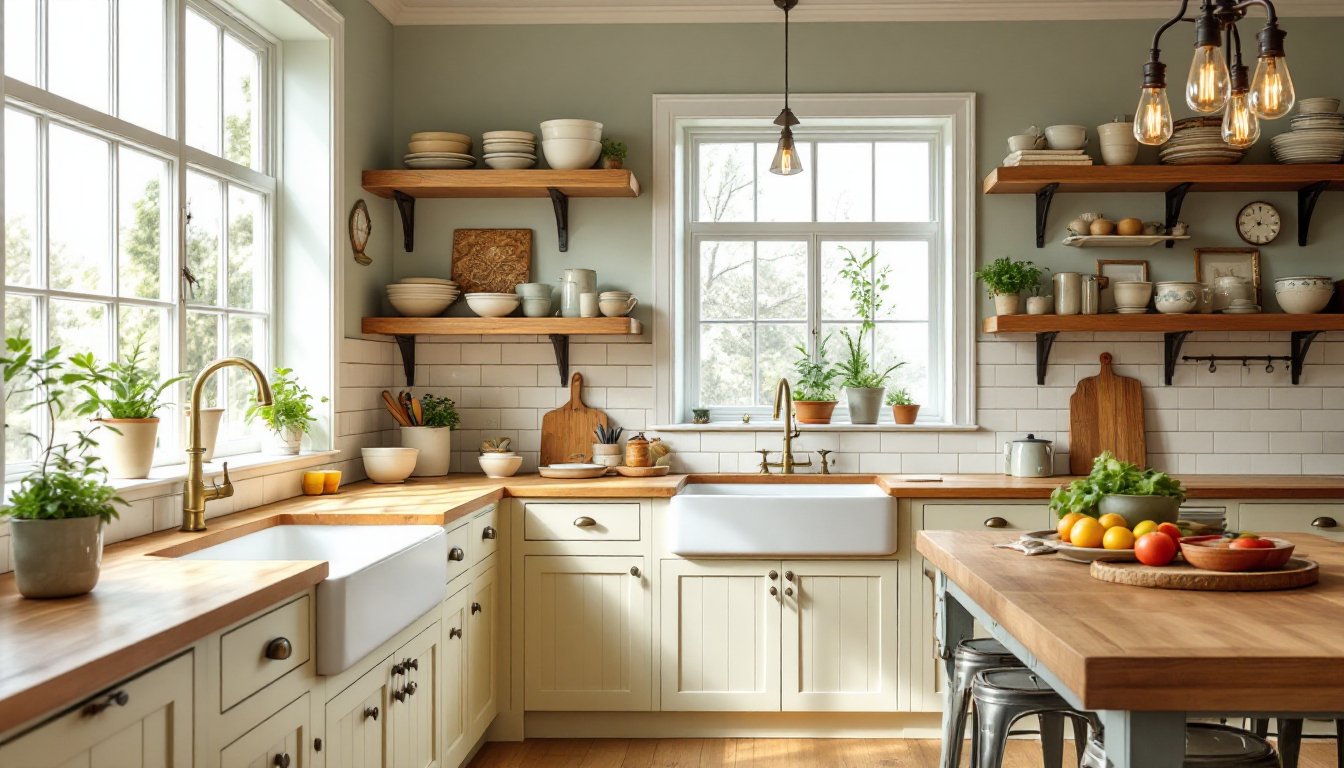
Butcher block countertops bring warmth and character that stone can’t match. Made from strips of hardwood (typically oak, maple, or walnut) glued and pressed together, they’re tactile and fit farmhouse, transitional, and mid-century-modern aesthetics. The trade-off: wood is not heat-proof and requires regular oiling to maintain its finish and prevent water damage. Place hot pans on trivets, never directly on the surface, and wipe spills immediately.
Wood countertops cost $30–$90 per linear foot installed, making them budget-friendlier than stone. They’re also easier to repair, light sanding and re-oiling restore minor dings and stains. If you’re drawn to organic materials and don’t mind a maintenance routine, butcher block delivers character. Just be realistic about the upkeep before committing.
Color Trends and Finishes for Modern Kitchens
Today’s countertop color palette skews toward neutrals with depth: warm grays, creams, charcoals, and soft blacks dominate new installs. These colors work because they hide fingerprints and crumbs better than whites or pure blacks, and they pair seamlessly with both light and dark cabinetry. Veined surfaces, whether natural granite or engineered quartz, are everywhere: the movement draws the eye and adds visual interest without being bold.
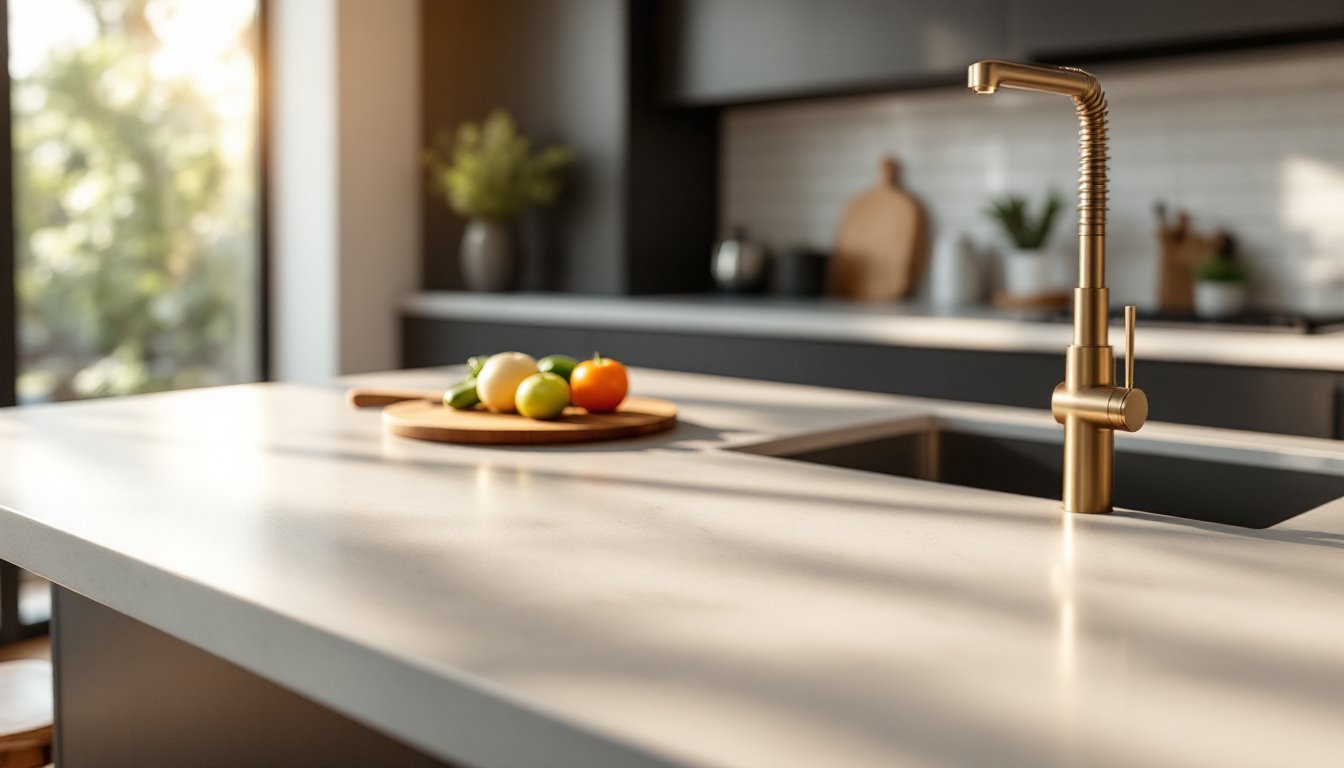
Finish matters as much as color. Polished surfaces reflect light and feel luxurious but show every water spot and fingerprint, demanding frequent wiping. Honed finishes (matte, non-reflective) hide smudges and spills far better, a practical choice if you have kids or high-traffic kitchens. Leathered finishes have texture and depth, trending upward because they feel high-end while being forgiving with daily wear.
If you want to add personality without overhauling materials, consider a secondary accent countertop. Pair your primary surface with a narrow island in a contrasting color or material, say, a gray quartz main counter with a warm butcher block island prep space. This approach costs less than replacing all counters while delivering visual punch. Top home renovation ideas frequently include mixed-material counters for exactly this reason.
Layout and Functionality in Countertop Design
Design isn’t just about looks, it’s about how you actually use the space. Consider your kitchen’s workflow: where do you prep, cook, and serve? Where do dishes land when you bring groceries in? A well-designed layout minimizes wasted movement and keeps frequently used zones accessible.
Linear kitchens benefit from continuous countertop runs that maximize prep space. Galley kitchens need counter depth to feel open, so stick with 24–25 inches deep (standard) unless you have very tight quarters. L-shaped and U-shaped kitchens let you spread tasks across zones, keep prep counter near the fridge, cooking counter near the range, and a separate zone for coffee/breakfast routines.
Island counters are workhorses. A 3-foot minimum length gives you a functional prep surface: add an overhang (typically 12–15 inches) and you’ve created seating and casual dining. If you’re adding an island, ensure at least 36 inches of clearance on all sides for comfortable passage and cabinet door swings. Check your electrical and plumbing layout before finalizing placement: moving outlets and drains mid-project kills budgets. Best home renovation ideas always emphasize planning the functional layout before selecting finishes.
Budget-Friendly Countertop Design Solutions
Not every kitchen needs a $10,000 countertop budget. Laminate, solid-surface (like Corian), and budget quartz options deliver good looks and function without the premium price tag.
Laminate counters cost $10–$30 per linear foot installed. They’re water-resistant (though not waterproof at seams), come in hundreds of finishes, and are easy to clean. Durability is fair, they scratch and chip with heavy use, and heat can cause damage. For rental homes, temporary fixes, or young families with high-impact kitchens, laminate buys you time before upgrading.
Solid-surface materials (Corian, Staron, Avonite) run $35–$70 per linear foot. They’re non-porous, easy to repair (minor scratches and stains sand out), and offer seamless designs. They can’t handle direct heat like stone, but they’re versatile and customizable.
Budget quartz varieties cost $40–$80 per linear foot, less than premium quartz or granite, but with similar durability and appearance. Shop wholesale suppliers and compare installed vs. slab-only pricing: labor often accounts for 30–50% of the total cost. If you’re handy, some fabricators sell ready-made slabs you can install yourself with patience and careful measurement.
Saving money doesn’t mean compromising entirely. Use premium material on high-visibility zones (primary prep and island) and budget options on secondary counters (bar, pantry, or laundry room). This hybrid approach balances cost and visual impact.
Pairing Countertops With Cabinetry and Backsplash
Countertops don’t exist in isolation, they’re part of a larger visual conversation with cabinets, backsplash, and hardware. Successful design coordinates these elements without matching them exactly.
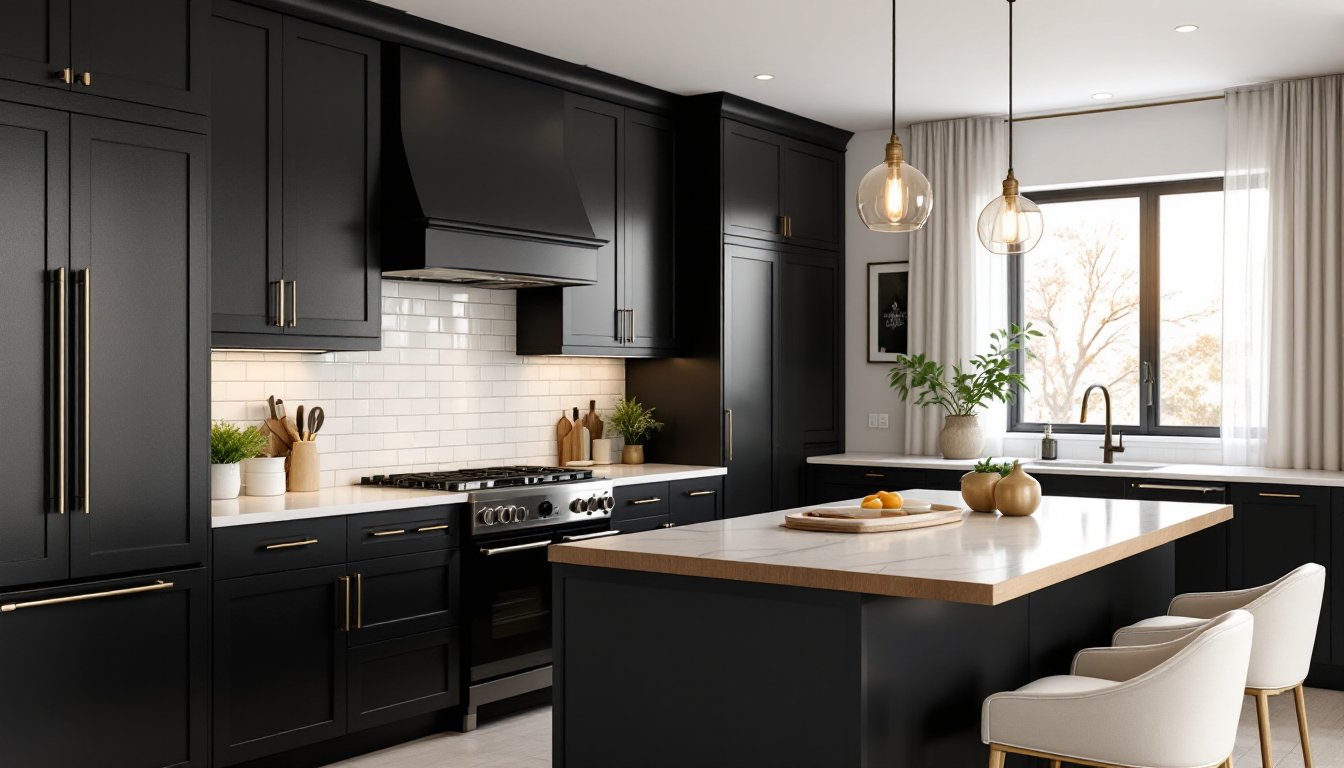
Light counters (cream, light gray, white) pair beautifully with dark cabinetry, creating high contrast and visual drama. Dark counters (charcoal, black, espresso) ground lighter cabinets and prevent a flat, washed-out look. Mid-tone counters are the safe play, they work with most cabinet colors because they’re not fighting for visual attention.
Backsplash is where you can inject personality and tie the look together. A simple white subway tile keeps focus on the counter and cabinetry, while a patterned or colored backsplash adds energy. Pair busy backsplashes with calm counters and vice versa: too much pattern overwhelms the space. For example, a neutral gray quartz counter shines with a bold geometric or patterned tile backsplash. A dramatic granite slab (lots of veining) partners best with a minimal, solid-color backsplash.
Hardware and finishing touches matter too. Matte black or brushed brass handles complement modern quartz better than shiny chrome. Cabinet hardware, faucet finish, and lighting should feel intentional as a set. Explore interior design trends tips for guidance on coordinating finishes across your kitchen. Many kitchens fail not because of one bad choice, but because cabinetry, counters, and backsplash look like they came from three different stores.