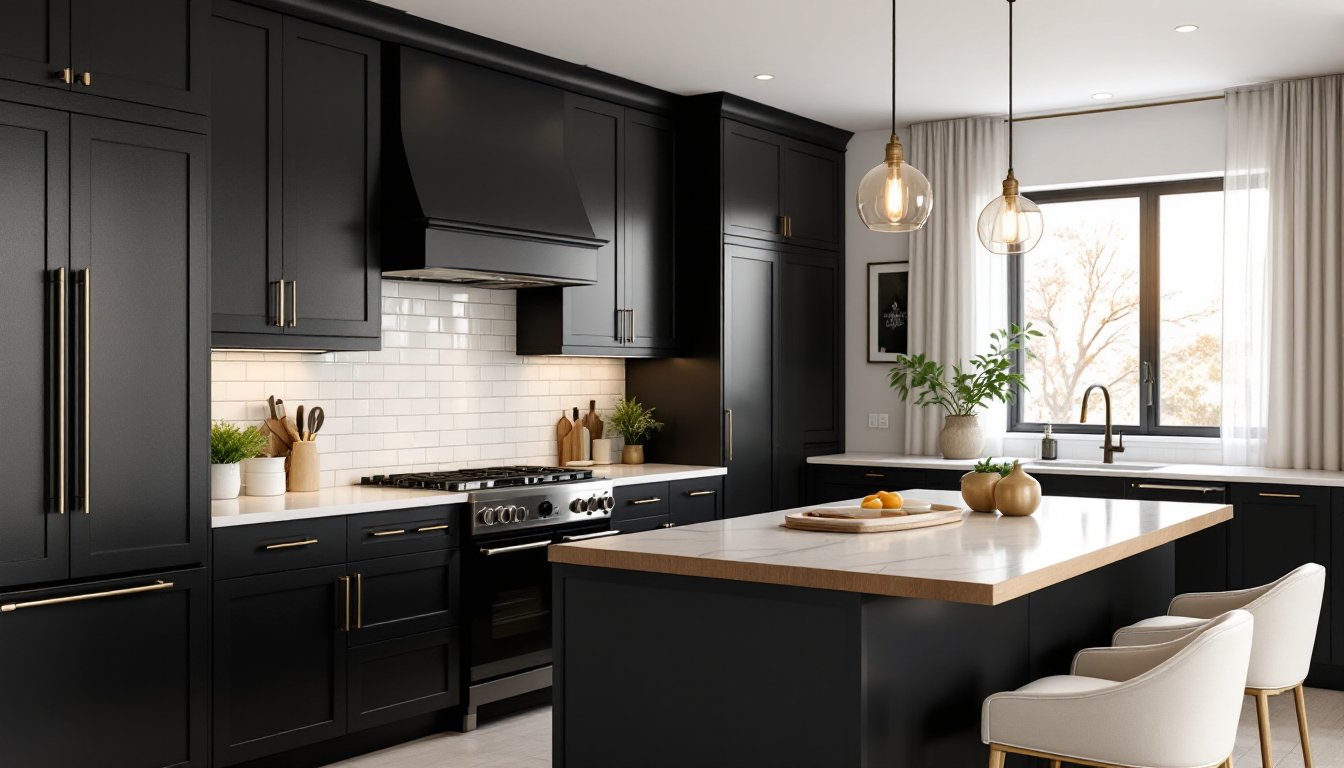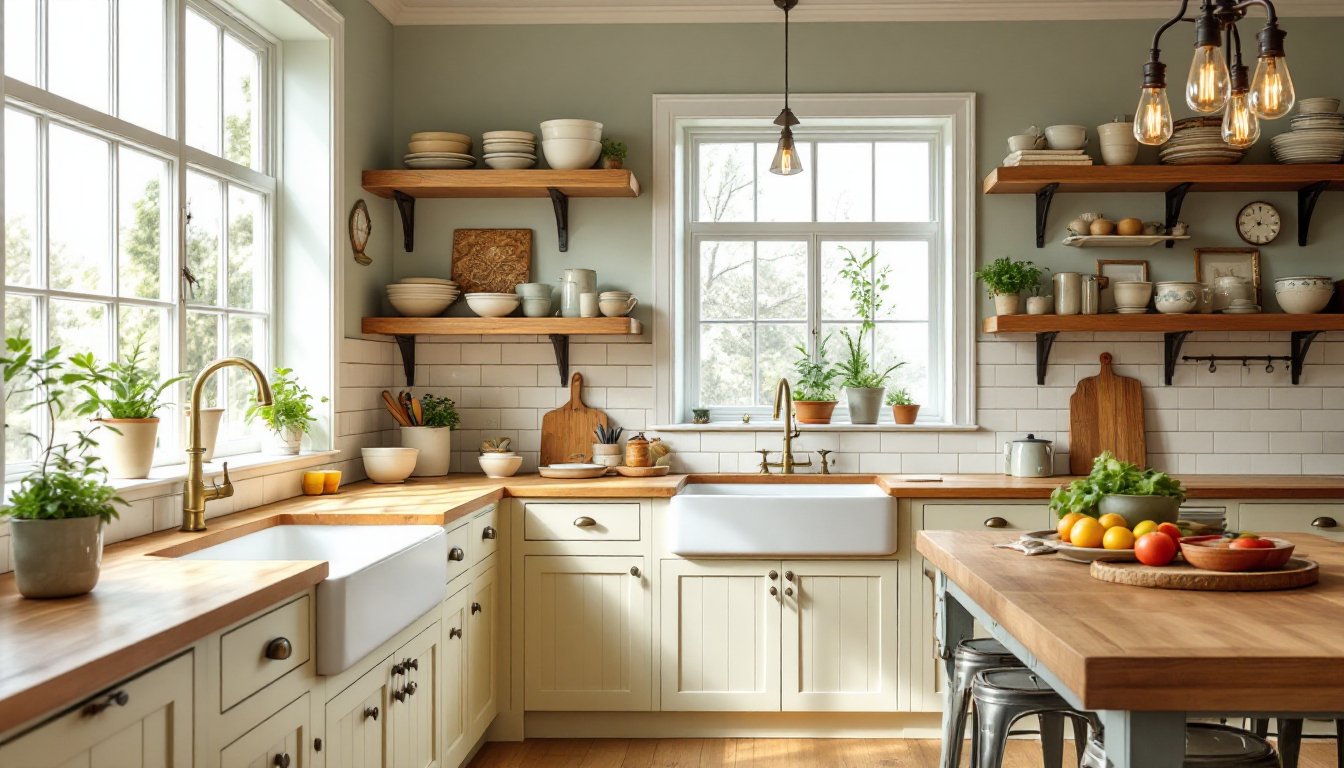
Kitchen tile design choices set the tone for the entire space, they’re not just functional, they’re visible, durable, and a key part of your kitchen’s personality. Whether you’re planning a full backsplash overhaul or a complete tile floor installation, the right design can transform outdated cabinetry into a cohesive, modern kitchen without breaking the budget. In 2026, trending kitchen tile designs lean toward layered textures, earthy palettes with strategic pops of color, and layout patterns that draw the eye without overwhelming the space. This guide walks through material options, color trends, layout techniques, and backsplash <a href="https://beeftrustkitchenbar.com/best-home-renovation-ideas/”>ideas that work for any style, from minimalist contemporary to warm farmhouse vibes.
Table of Contents
ToggleKey Takeaways
- Porcelain tiles are ideal for kitchen floors due to superior water resistance, while ceramic tiles work well for backsplashes at a lower cost of $2–$8 per square foot.
- Kitchen tile design trends in 2026 favor neutral palettes with strategic accent colors, layered textures, and geometric patterns that add visual interest without overwhelming the space.
- Herringbone, chevron, and hexagonal tile layout patterns create diagonal movement and can make small backsplash areas feel larger than they actually are.
- A well-designed kitchen backsplash uses the 60-30-10 color rule: 60% dominant neutral color, 30% secondary accent, and 10% bold focal point to prevent visual chaos.
- Thin-set mortar and proper sealing techniques are essential for kitchen tile installations to ensure durability and prevent staining from water and grease exposure.
- Small backsplash projects under 25 square feet are manageable DIY weekend projects, while larger or curved installations benefit from professional expertise.
Choosing the Right Tile Material for Your Kitchen
Ceramic and Porcelain Tiles: Durability Meets Style
Ceramic and porcelain tiles are the workhorses of kitchen design. Both are fired clay products, but porcelain is denser and fires at higher temperatures, making it more water-resistant and durable than ceramic. If you’re installing tile on kitchen walls (backsplash), ceramic works perfectly and costs less, typically $2 to $8 per square foot. For floors or areas that see heavy water exposure, porcelain is worth the upgrade at $3 to $15 per square foot.
When choosing tile for a kitchen, always check the water absorption rating (PEI, Porcelain Enamel Institute) and the glaze finish. A vitreous or impervious rating is essential for kitchens, meaning water absorption is below 0.5%. Matte finishes are forgiving in a busy kitchen because they hide water spots and fingerprints better than glossy tiles, though glossy tiles are easier to clean. Textured finishes add visual depth but can trap grease and debris, so weigh aesthetics against maintenance.
Grout and sealant matter too. Epoxy grout resists staining and doesn’t need sealing, making it ideal for kitchens, though it’s harder to remove if you ever re-grout. Sand-based grout is cheaper and easier to work with for DIY installation, but requires sealing every 1-3 years.
Popular Color Palettes and Patterns
Neutral Tones and Bold Accent Designs
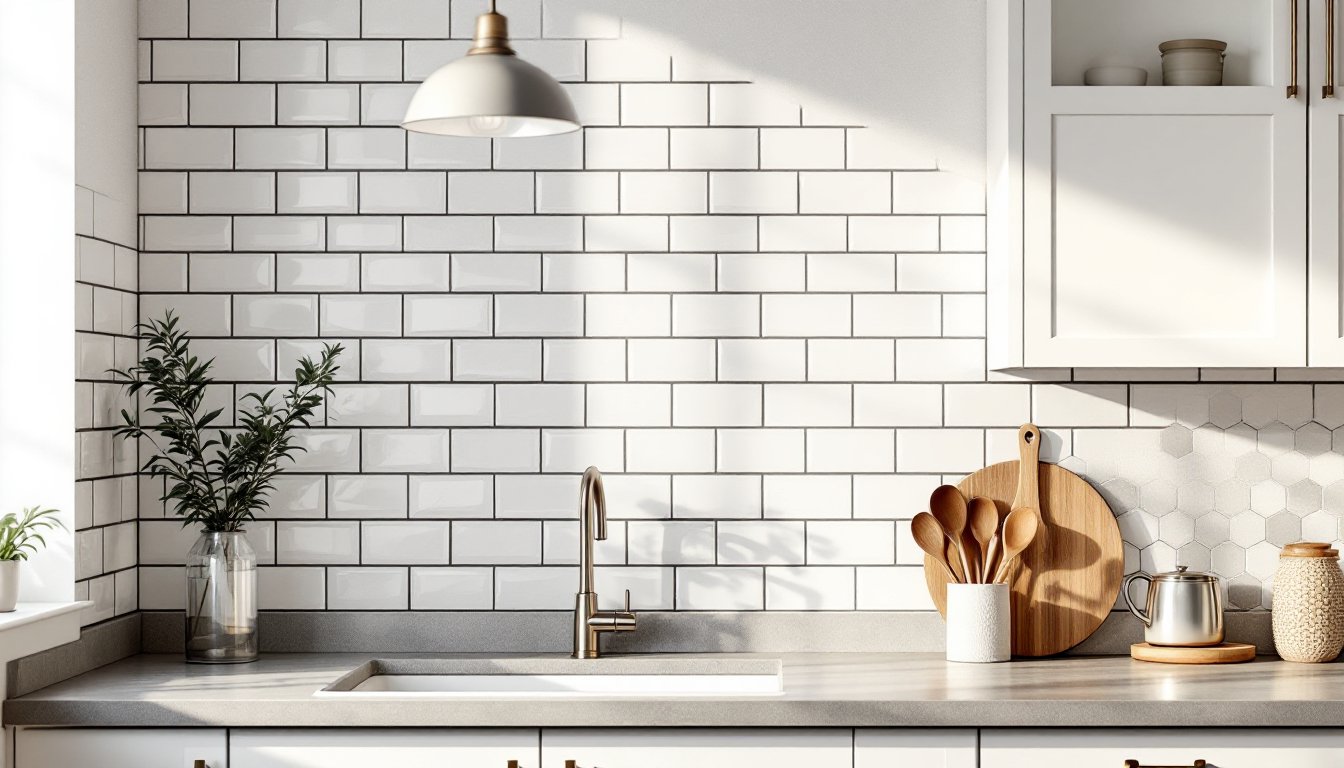
Neutral palettes, soft whites, warm grays, and creams, dominate 2026 kitchen trends because they’re forgiving and never date. But “neutral” doesn’t mean boring. Layering warm white subway tiles with darker grout lines creates visual rhythm without color, and pale gray tiles in a herringbone layout add sophistication. Current interior design trends examples show homeowners pairing neutral base tiles with one bold focal point: a navy or deep green accent strip, a patterned tile border, or jewel-toned (emerald, sapphire, or rust) field tiles in a limited area.
Earthy tones, terracotta, ochre, and soft sage, are having a moment too. These warm, muted hues work especially well on backsplashes because they complement stainless steel appliances and natural wood cabinetry. Geometric patterns (small hexagons, elongated rectangles, or basketweave) add movement without the visual weight of large-scale designs. When mixing patterns or colors, the rule of thumb is to keep the dominant color neutral (60%), a secondary accent (30%), and a bold pop in one location (10%).
If you’re drawn to patterned tiles, start by placing sample tiles on your backsplash or floor in actual daylight and under kitchen lighting. Tile colors shift dramatically depending on overhead, under-cabinet, and natural light. Order two extra boxes of any pattern tile to account for breakage and future repairs, discontinued patterns are impossible to match.
Tile Layout Techniques That Transform Your Space
Subway, Hexagonal, and Geometric Arrangements
Layout patterns do more visual work than color alone. Subway tile, 3 by 6 inches (nominal), staggered like bricks, remains popular because it’s clean, affordable, and works in any kitchen style. Herringbone and chevron layouts use the same tile but create diagonal movement that makes a small backsplash feel larger. These diagonal patterns require more cutting and planning, so budget extra time and tile for waste (add 10-15% to your tile count).
Hexagonal tiles (typically 1 to 2 inches) create a honeycomb effect and work beautifully on smaller backsplash areas or as a feature wall. Larger hexagons (8 to 12 inches) feel modern and open, while smaller ones feel playful and cottage-style. Geometric mixes, combining different tile shapes, sizes, or colors in a planned grid, add personality without chaos. These intricate patterns can backfire if poorly planned, so sketch your layout to scale and dry-lay tiles on the wall first.
Brickbond, running bond, and 3×3 patterns are other solid options. Running bond (staggered rectangular tiles in a single-colored row) is the easiest to install and most forgiving if your walls aren’t perfectly straight. Use a tiling guide layout to visualize how your chosen pattern looks in actual kitchen lighting before committing. Track the direction of pattern flow too, diagonal patterns draw the eye upward, which can make a low ceiling feel taller.
Backsplash Ideas That Make a Statement
Kitchen backsplash tile is where many homeowners express style without the cost and complexity of a full kitchen remodel. A backsplash runs from the countertop to the underside of the upper cabinets, typically 18 to 24 inches tall, and it’s exposed and visible every day.
Backsplash Design Approaches:
• Solid color or texture: A single-color tile in matte ceramic or natural stone creates a calm, cohesive background. Textured tiles (with raised patterns or uneven surfaces) hide dust and grease better than smooth tiles.
• Two-tone combinations: Pair a lighter tile with darker grout, or alternate light and dark tiles in a checkerboard or stripe pattern. This adds visual interest without overwhelming the space.
• Statement tiles: Full-coverage patterned or hand-painted tiles make bold backsplashes. These work best when framed by solid-color tiles on either side to keep the focal point controlled. Limit patterned tiles to 50-70% of the backsplash area.
• Mixed materials: Combine ceramic tiles with glass, metal, or stone accents. A row of 3D metallic tiles or glass pearls breaks up solid color and reflects light.
Installation matters. Use a notched trowel (typically 1/4 inch for wall tile) and comb it at a 45-degree angle to ensure full coverage behind tiles. Thin-set mortar (not mastic) is the standard adhesive for kitchen walls because it’s stronger and more water-resistant. Seal grout on backsplash with a penetrating sealer after 72 hours to prevent staining. For inspiration, browse design resources on Houzz to see finished backsplash photos in kitchens similar to yours, or HGTV’s kitchen makeovers for real-world installation ideas.
If your backsplash is small (under 25 square feet), this is a very doable weekend DIY project. Larger areas, curved walls, or tile that requires extensive cutting may benefit from professional installation to avoid costly mistakes.